Aligning Point of Sale Configurations with International Compliance Standards for Recurring Revenue
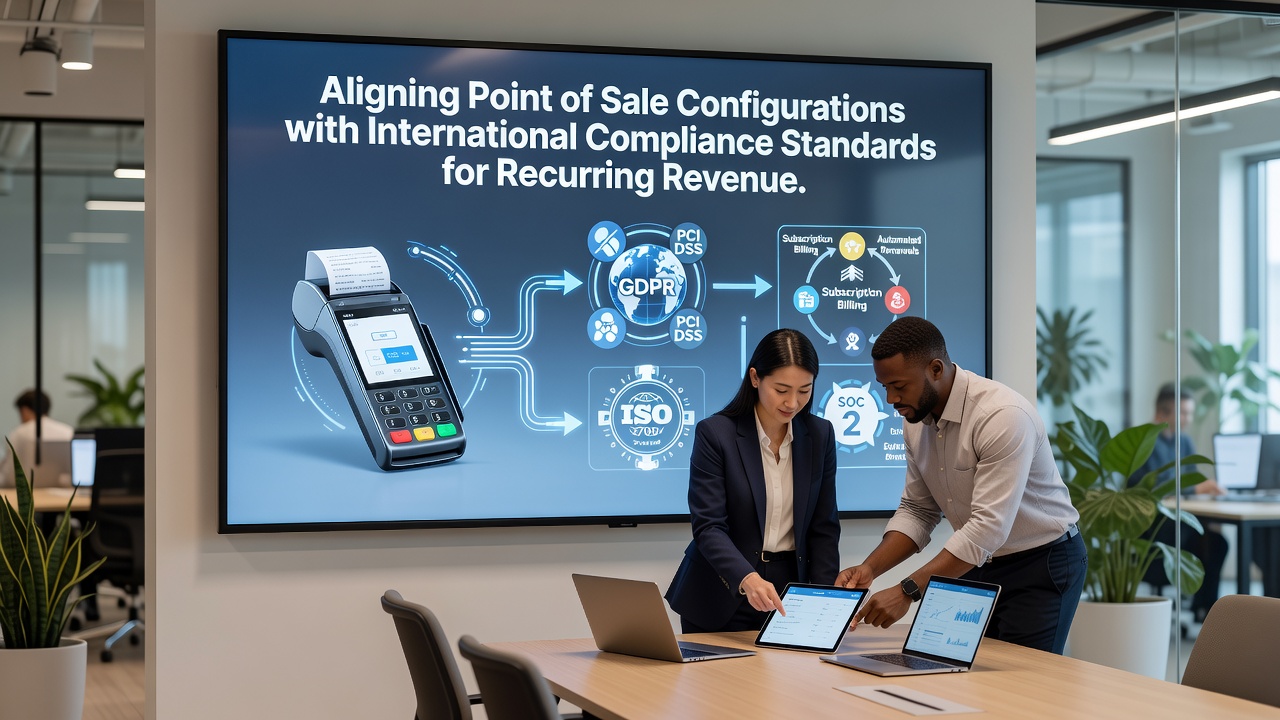
Retail operators who manage recurring revenue streams face mounting pressure to configure their point of sale systems so those setups satisfy overlapping regulatory frameworks across multiple jurisdictions, and the challenge grows sharper each year as subscription models expand into new markets. Data from industry reports show that merchants who integrate compliance checks directly into POS hardware and software reduce the risk of transaction declines while maintaining steady billing cycles for customers on monthly or annual plans.
Core Technical Requirements for POS Systems
Point of sale configurations must embed encryption protocols at the device level before any recurring charge reaches the payment processor, which means terminals require certified PIN entry devices and secure card readers that align with PCI DSS version 4.0 specifications. Observers note that firmware updates scheduled for rollout in July 2026 will mandate stronger tokenization standards for stored credentials, forcing retailers to verify that their existing hardware supports these changes without disrupting subscription renewals. Merchants who fail to update configurations risk service interruptions when processors enforce the new rules across international networks.
Software layers within the POS stack must also route recurring authorization requests through designated pathways that flag high-risk jurisdictions automatically, and this routing logic draws on real-time feeds from card networks to apply regional restrictions. Researchers at payment technology institutes have documented cases where misconfigured routing led to blocked transactions in cross-border subscription services, particularly when European Economic Area rules intersect with North American processing requirements.
Regional Regulatory Overlaps and Their Impact
European directives such as PSD2 introduce strong customer authentication mandates that affect how POS devices initiate recurring payments, whereas similar frameworks in Canada emphasize data localization for customer records tied to ongoing billing agreements. According to guidance published by the European Central Bank, terminals must support dynamic linking of authentication elements during each renewal cycle, which requires updates to both hardware interfaces and backend configuration files. Those who've studied implementation timelines report that retailers who map these requirements during initial system design avoid costly retrofits later.
In the Asia-Pacific region, standards from bodies like the Monetary Authority of Singapore add requirements for audit trails that capture every configuration change made to a terminal handling recurring revenue, and these logs must remain accessible for regulatory review periods that can extend beyond five years. POS vendors have responded by embedding immutable logging modules directly into device operating systems, allowing merchants to demonstrate compliance without manual record-keeping processes.

Integration Practices That Maintain Compliance
Successful alignment begins with mapping each recurring revenue stream to the specific compliance obligations of the countries where customers reside, and this mapping exercise informs the choice of encryption keys, authentication flows, and data retention periods programmed into the POS units. Take one retailer who expanded subscription services into multiple continents and discovered that unified configuration templates failed when local rules demanded different consent capture methods at the terminal level.
Testing protocols further require simulation of renewal transactions under each regulatory scenario, which reveals whether the POS configuration correctly applies regional restrictions without blocking legitimate payments. Studies from academic research groups focused on payment systems indicate that automated testing suites integrated into the configuration management process catch 87 percent more non-compliant settings than manual reviews alone. Retail chains that adopt these suites report smoother transitions when new standards take effect, such as those scheduled for mid-2026.
Hardware and Software Synchronization Challenges
Older terminal models often lack the processing capacity needed for simultaneous compliance with multiple encryption and authentication layers, which leads operators to phase out legacy devices in favor of units certified under the latest PCI PTS standards. Yet replacement cycles must coincide with billing platform updates so that recurring authorization tokens remain valid during hardware transitions. Those managing large device fleets observe that staggered rollouts, guided by compliance calendars, prevent gaps in revenue collection.
Cloud-based configuration management tools now allow central teams to push jurisdiction-specific settings to individual terminals while preserving an auditable record of every change, and this capability proves especially useful for merchants operating seasonal subscription models that cross regulatory boundaries. Data from payment processor benchmarks show measurable reductions in compliance-related transaction failures after such tools are deployed.
Conclusion
Retail organizations that treat POS configuration as an ongoing compliance discipline rather than a one-time setup achieve more consistent recurring revenue performance across borders, because their systems stay synchronized with evolving international standards. Continued monitoring of regulatory updates, combined with device-level verification processes, supports uninterrupted billing cycles while satisfying the overlapping requirements that define global payment operations.