Biometric Integration Pathways Enhancing Verification Accuracy Across Global POS Networks
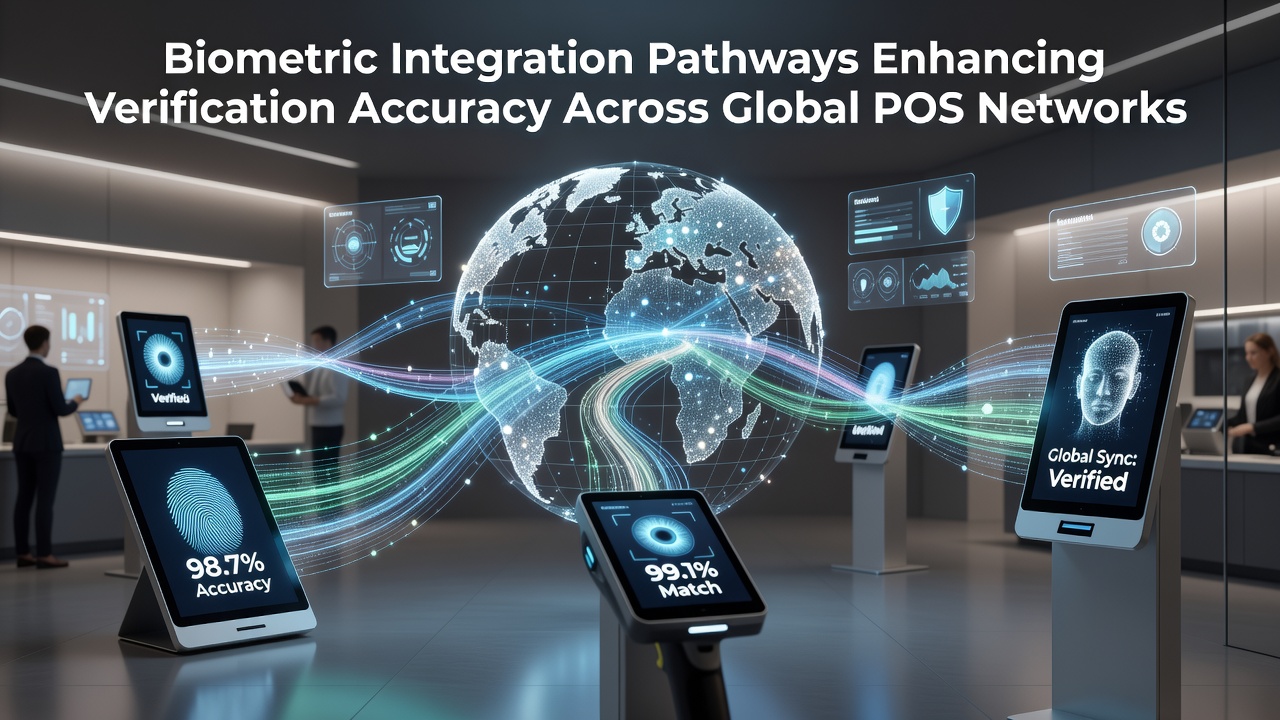
Biometric integration pathways represent structured approaches that connect fingerprint readers, facial recognition modules, and iris scanners directly to point-of-sale terminals, which improves match rates during customer verification while reducing reliance on traditional card or PIN methods. These pathways operate through layered protocols that route captured biometric data to centralized or edge-based matching engines, and they function across diverse hardware configurations found in retail chains, hospitality venues, and transit hubs worldwide.
Core Components of Biometric Pathways
Pathway design begins with sensor selection followed by data formatting that complies with ISO/IEC 19794 standards, then proceeds to transmission layers that encrypt templates before they reach comparison algorithms. Researchers at institutions such as those affiliated with the National Institute of Standards and Technology have documented how multimodal fusion, which combines two or more biometric traits in a single transaction, lifts verification accuracy by measurable margins compared with single-modality checks. The process continues with fallback mechanisms that activate when one sensor encounters environmental interference, which keeps checkout flows uninterrupted.
Hardware vendors embed these components into compact modules that attach to existing terminals, while software developers expose APIs that allow merchants to select verification thresholds based on transaction value or risk profile. Data from implementations across North American and European networks shows template storage occurs either locally on encrypted chips or in tokenized cloud repositories, and each approach satisfies distinct regulatory requirements that vary by jurisdiction.
Regional Deployment Patterns Emerging in 2026
By June 2026 several Asian markets will complete phased rollouts that link national identity databases to merchant terminals through secure gateways managed by central banks. Australian retail groups have already adopted similar linkages that draw on government-issued biometric credentials, and these connections allow cross-border travelers to complete purchases with facial scans that match passport records. European operators meanwhile follow eIDAS frameworks that standardize biometric attribute exchange between member states, which reduces false rejection rates during high-volume periods such as holiday travel seasons.
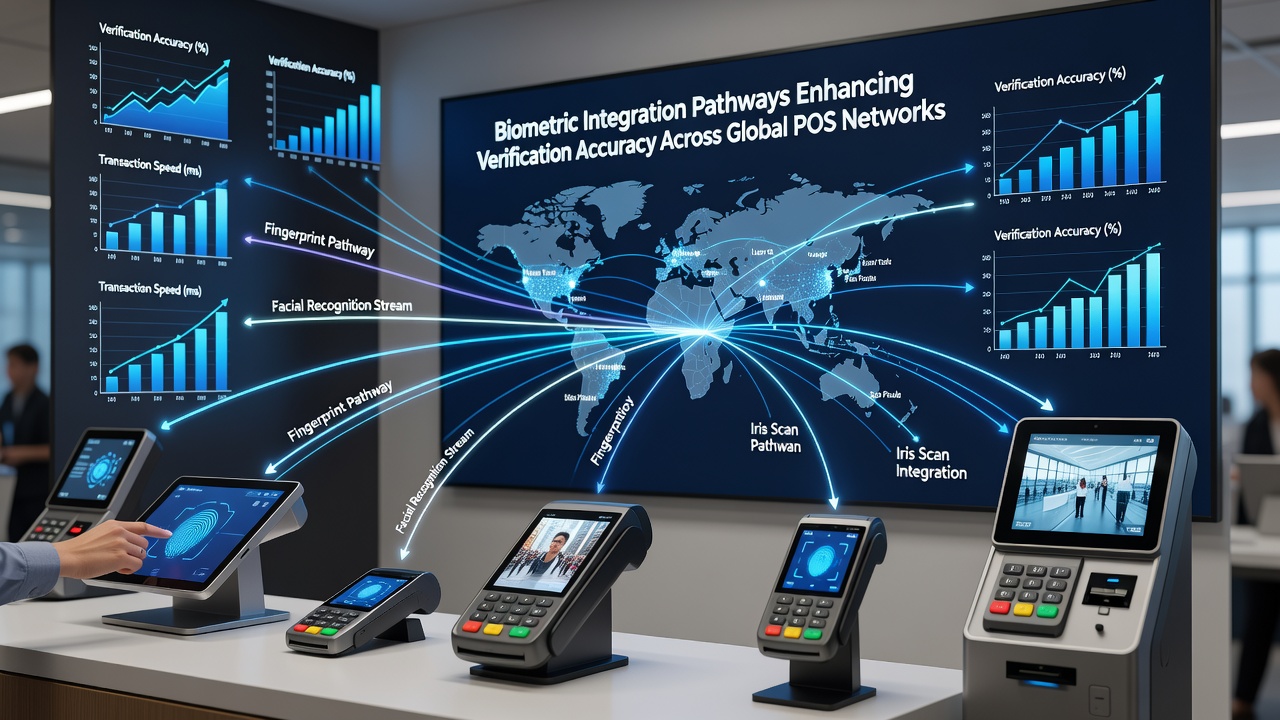
North American chains focus on private-sector pathways that avoid direct government database connections yet still achieve high accuracy through consortium-maintained watchlists and liveness detection layers. Observers note that these varied regional models share common technical elements, including quality assessment algorithms that reject poor-quality captures before matching occurs, which prevents downstream processing delays.
Accuracy Metrics and Supporting Evidence
Independent test reports released by standards organizations indicate that properly tuned biometric systems reach equal error rates below 0.5 percent when both fingerprint and facial modalities operate together. Figures from large-scale pilots conducted in Canadian grocery networks reveal that verification failures dropped by more than 60 percent after terminals incorporated iris recognition alongside existing PIN pads. The same studies highlight that liveness detection, which distinguishes live tissue from photographs or masks through micro-movement analysis, contributes substantially to these gains by blocking presentation attacks.
Accuracy improvements also appear in reduced chargeback volumes, since merchants receive stronger proof of cardholder presence during disputes. Payment networks that publish aggregate statistics show lower dispute ratios in regions where biometric terminals exceed 30 percent penetration, although exact correlations depend on merchant category and average ticket size. Academic papers from university engineering departments further confirm that continuous monitoring of sensor calibration maintains these performance levels over time despite hardware aging.
Interoperability and Security Considerations
Successful pathways rely on standardized message formats that allow terminals from multiple manufacturers to communicate with the same matching engine. Industry groups have published specifications that define how biometric templates travel alongside transaction data without exposing raw images, and these specifications undergo regular updates to address emerging attack vectors. Security audits conducted by third-party firms verify that encryption keys rotate frequently and that access logs remain immutable, which supports compliance audits required by data protection authorities in multiple jurisdictions.
Network operators also implement template revocation procedures that activate when a device is reported lost or compromised, and these procedures integrate with existing key management systems already used for card data protection. The result is a verification environment that scales across borders while preserving the accuracy gains achieved through multimodal matching.
Conclusion
Biometric integration pathways continue to evolve through coordinated efforts among hardware manufacturers, software providers, and standards bodies, which together establish reliable routes for accurate verification at global POS locations. Evidence from operational deployments demonstrates consistent accuracy improvements when multiple biometric traits combine under controlled transmission protocols. As adoption widens through 2026 and beyond, the same pathways support expanded use cases while maintaining the security and interoperability requirements that underpin cross-border commerce.