Data Routing Enhancements Bolster Security in Subscription-Based Merchant Processing
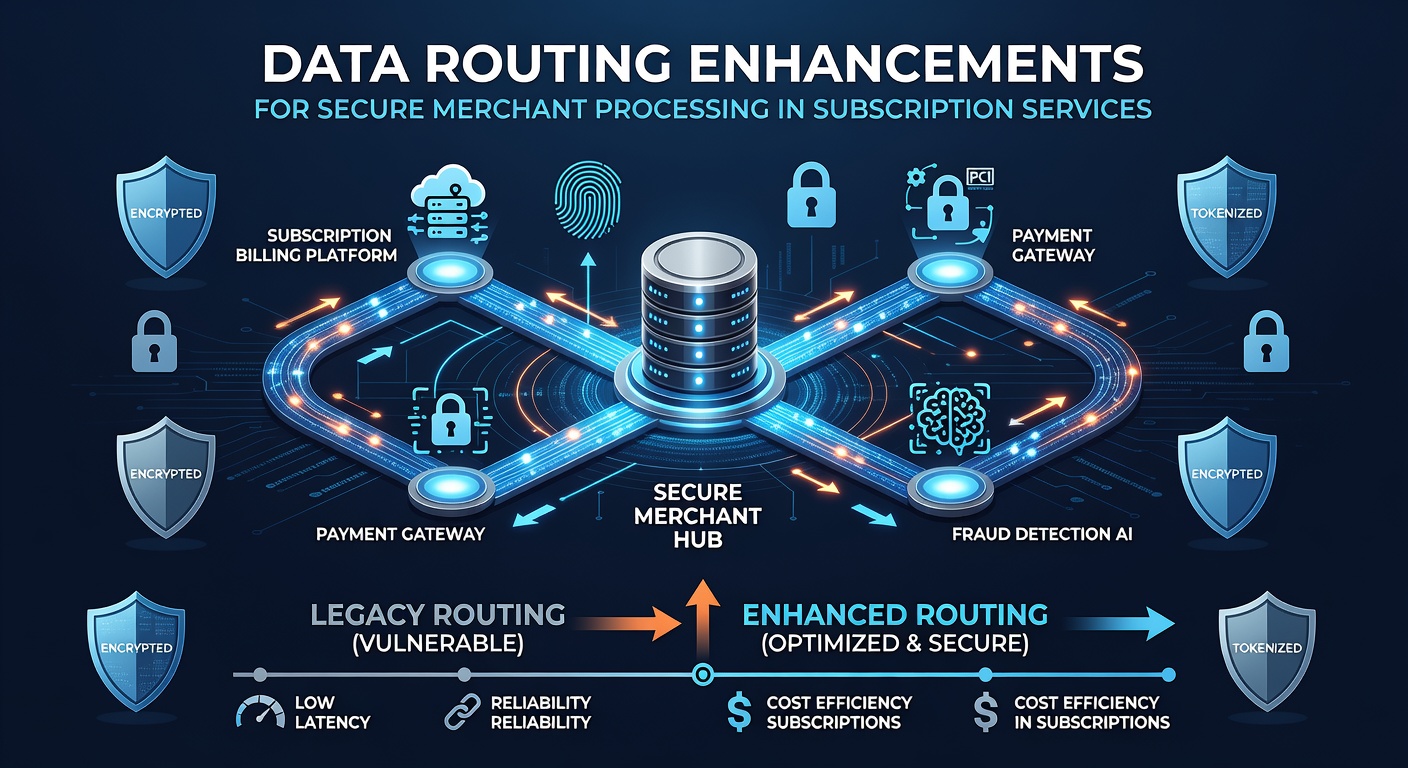
Subscription services continue to expand across retail, software, and media sectors, which means merchant processing systems must handle recurring transactions with greater precision and protection. Data routing enhancements focus on directing transaction information through optimized pathways that reduce exposure points while maintaining compliance with established security protocols. These improvements integrate tokenization, dynamic path selection, and real-time validation layers that adapt to transaction volume and geographic distribution.
Observers note that traditional static routing often creates predictable patterns that sophisticated threats can target during high-volume billing cycles. Modern enhancements replace those fixed routes with algorithms that evaluate network conditions, endpoint security scores, and regulatory requirements before selecting a transmission path. Research from industry reports indicates that such adaptive systems lower the incidence of intercepted data packets by rerouting around identified vulnerabilities within milliseconds of detection.
Core Components of Enhanced Routing Architectures
Secure merchant processing for subscriptions relies on several interconnected elements that work together during each recurring charge. Tokenization replaces sensitive card details with unique identifiers that hold no value outside the authorized environment, while routing engines decide which processor or acquiring bank receives the tokenized request. Multiple processors often connect through these engines so that if one pathway experiences latency or a security flag, traffic shifts automatically to an alternative without interrupting the billing sequence.
Encryption standards applied at the routing layer add another barrier because data remains protected even when it traverses public networks between merchant systems and payment gateways. According to the PCI Security Standards Council documentation, end-to-end encryption combined with point-to-point routing controls satisfies key requirements for protecting cardholder data during transmission. Subscription platforms that adopted these layered approaches in 2025 reported measurable reductions in unauthorized access attempts, particularly when billing occurred across multiple jurisdictions.
Integration with Subscription Management Platforms
Many subscription providers now embed routing logic directly into their billing engines rather than treating it as a separate middleware function. This integration allows the system to apply customer-specific rules, such as preferring processors licensed in the customer's country of residence or avoiding networks that carry higher fraud scores during certain periods. Data shows that geographic routing preferences help merchants meet local data residency regulations without manual intervention for each billing run.
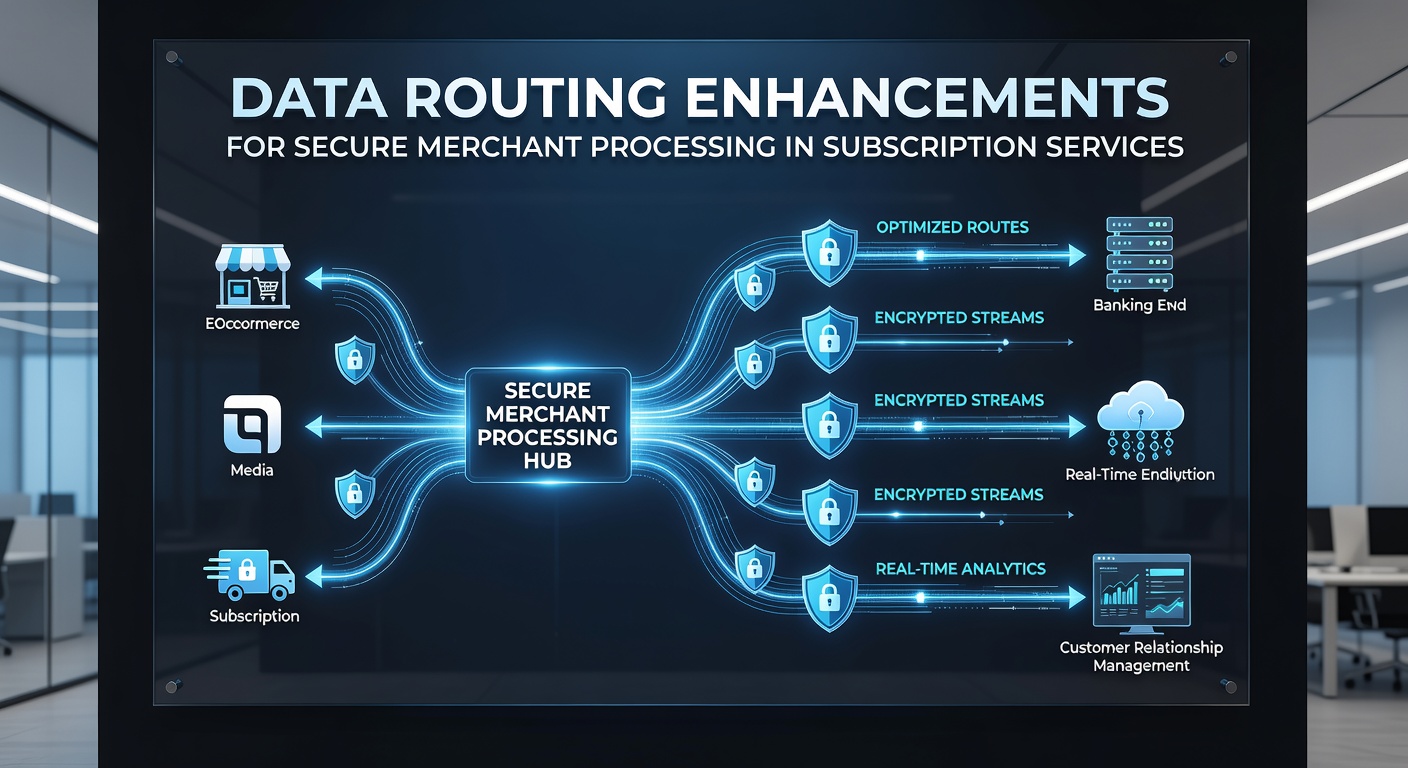
Real-time monitoring feeds into these routing decisions because transaction metadata, including device fingerprints and behavioral signals, updates the risk profile before the charge leaves the merchant environment. When anomalies appear, the routing layer can trigger additional authentication steps or divert the transaction to a processor equipped with stronger verification tools. Payments Canada has published guidance on similar adaptive controls that support secure cross-border recurring payments while respecting regional oversight frameworks.
Regulatory and Operational Considerations Through 2026
Upcoming changes scheduled for May 2026 include updated validation requirements for routing configurations that handle recurring payments, particularly those involving stored credentials. Merchants must demonstrate that their routing logic includes audit trails documenting each path selection decision and the security attributes evaluated at the time. Failure to maintain these records can result in increased scrutiny during compliance assessments and potential restrictions on processing volumes.
European Central Bank technical papers outline expectations for resilience testing of routing infrastructures, requiring periodic simulations of network outages and targeted interference. Subscription services that conduct these exercises in advance of the May 2026 timeline position themselves to meet the new benchmarks without service disruptions. Operational teams often discover that combining routing enhancements with existing fraud detection systems creates overlapping defenses that address both data security and transaction integrity in a single workflow.
Implementation Patterns Across Different Scales
Larger subscription platforms typically deploy distributed routing clusters that span multiple data centers, allowing traffic to shift between regions based on load and threat intelligence. Smaller merchants, by contrast, often rely on gateway providers that offer managed routing services with preconfigured security parameters. Both approaches benefit from standardized APIs that expose routing metrics, enabling merchants to review performance data and adjust preferences without rebuilding core billing code.
Case studies from organizations that migrated to enhanced routing during 2025 show consistent patterns: initial setup requires mapping of all recurring transaction flows, followed by phased activation of dynamic rules. Once operational, the systems generate logs that support both internal reviews and external audits, satisfying the documentation expectations referenced in multiple regulatory jurisdictions.
Conclusion
Data routing enhancements represent a practical evolution in how subscription merchants protect recurring payment streams while meeting expanding compliance obligations. By combining tokenization, adaptive path selection, and continuous monitoring, these systems reduce exposure without sacrificing processing speed or reliability. As May 2026 approaches, organizations that align their routing architectures with emerging validation standards position themselves to maintain secure operations across increasingly complex global networks.