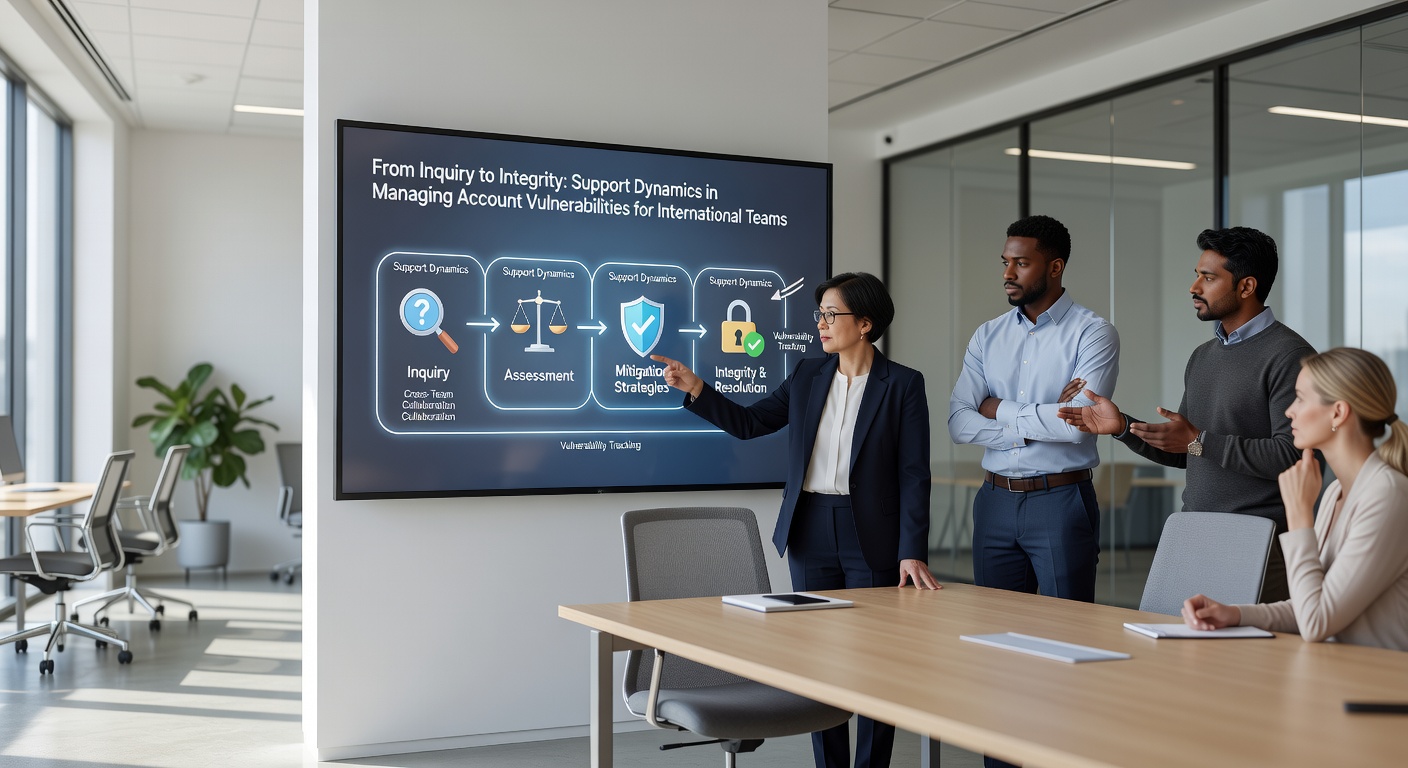
From Inquiry to Integrity: Support Dynamics in Managing Account Vulnerabilities for International Terminal Billing
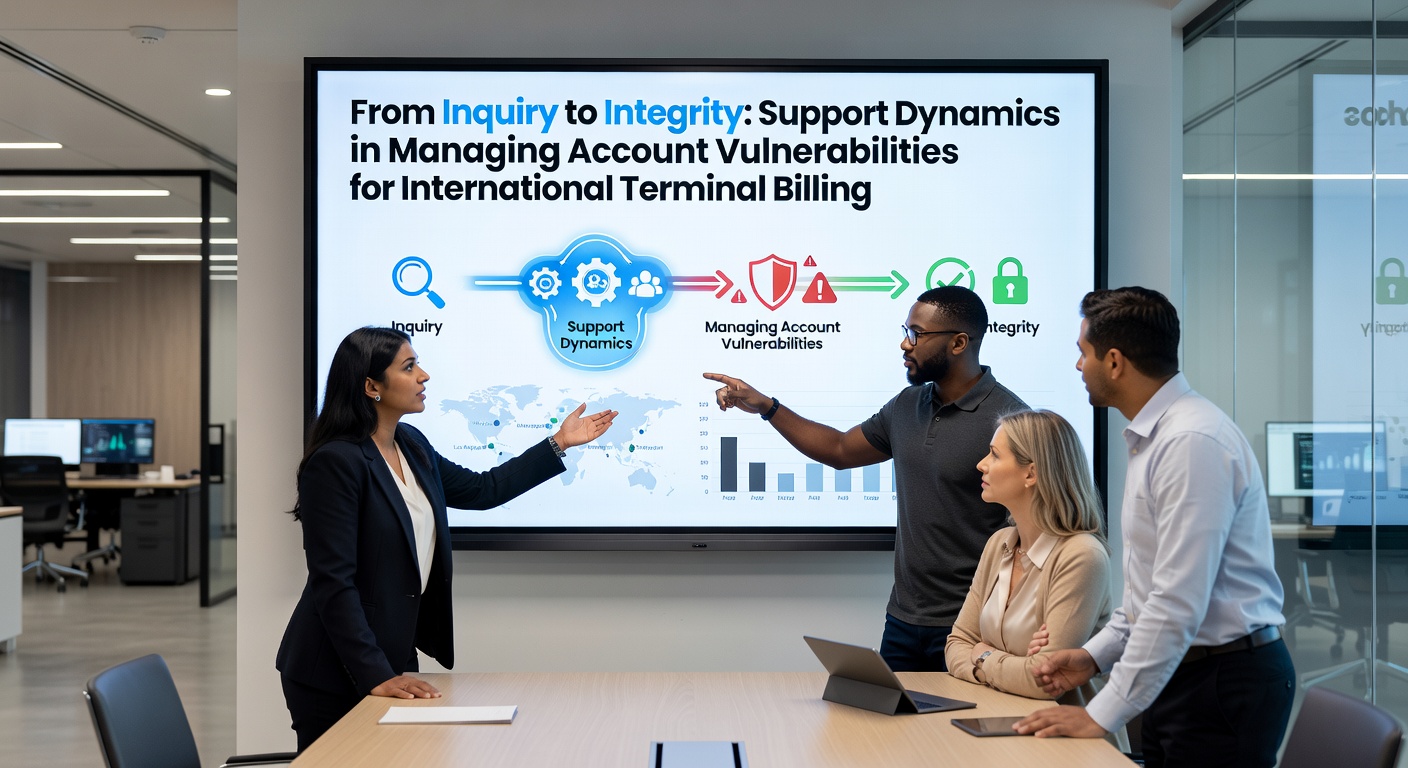 Support teams handle initial customer inquiries about terminal billing discrepancies by tracing transaction paths across multiple jurisdictions, and this process quickly reveals account vulnerabilities that could compromise data integrity in global payment networks. Observers note that effective management starts with structured intake protocols which capture details such as terminal ID, merchant location, and billing cycle anomalies before escalating to technical specialists who examine encryption standards and authorization logs. Data from cross-border operators shows that prompt inquiry resolution reduces exposure windows by coordinating with acquiring banks and network processors simultaneously.
Core Elements of Vulnerability Detection in Terminal Systems
International terminal billing relies on devices that process authorizations in real time while syncing with centralized ledgers, yet these same connections create entry points for unauthorized access when firmware updates lag or when regional compliance rules diverge. Researchers have documented how support personnel apply layered verification steps during each inquiry: they cross-check cardholder verification values against issuer responses, review settlement files for duplicate entries, and flag IP address mismatches that suggest proxy usage. Such steps convert routine questions into diagnostic opportunities that strengthen overall account safeguards without disrupting merchant operations.Transitioning from Reactive Support to Proactive Integrity Controls
Teams move beyond immediate fixes by building feedback loops that feed inquiry patterns back into terminal configuration rules, and this approach proves especially valuable when billing occurs across time zones where regulatory reporting deadlines differ. In May 2026 several network operators plan to introduce synchronized update schedules that align with emerging data protection directives, allowing support workflows to incorporate automated alerts for potential integrity gaps. Those who have implemented similar systems report smoother handoffs between first-line responders and compliance officers because shared dashboards display vulnerability scores derived directly from inquiry metadata.