Mapping Inquiry Patterns to Fraud Controls in Multi-Currency Recurring Credit Card Setups
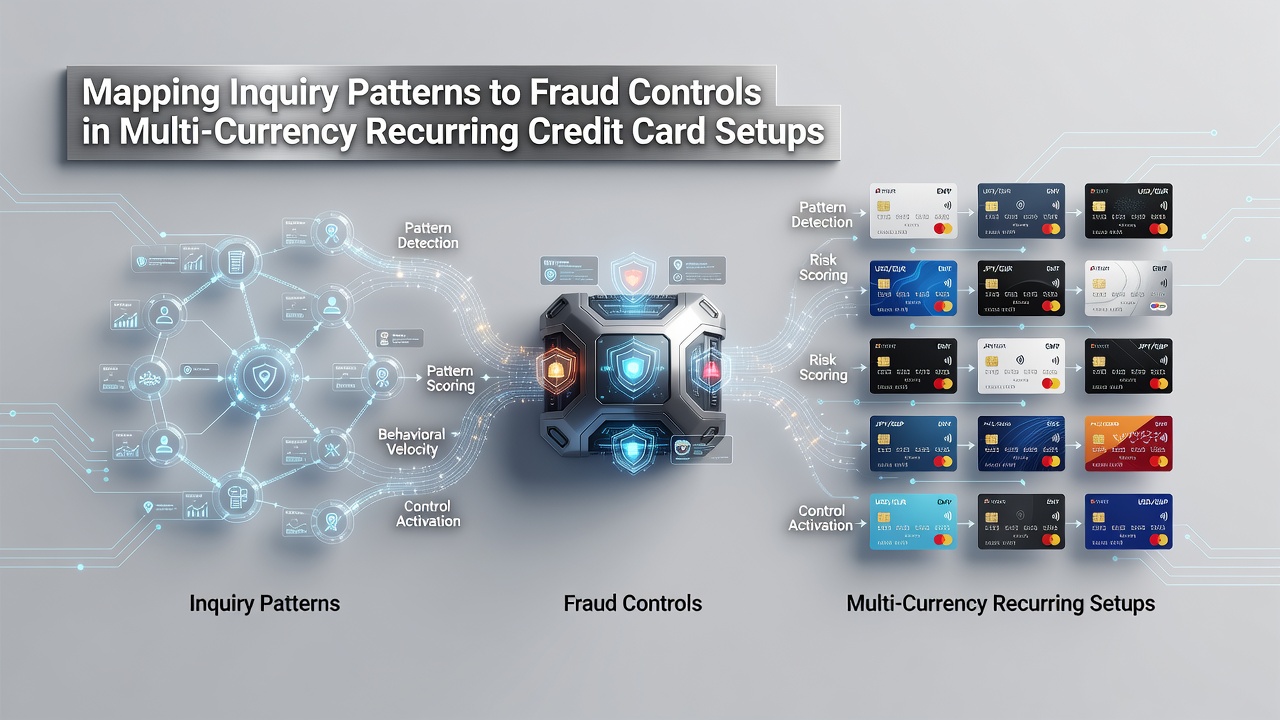 Observers note that customer support interactions often reveal early indicators of potential issues in recurring payment environments, particularly when those setups involve multiple currencies across international borders. Research from payment processing networks shows that patterns in inquiry volume, timing, and content can align directly with adjustments to fraud detection rules, allowing systems to flag anomalies before they escalate into chargebacks or account compromises. Support teams record details such as repeated questions about billing amounts after currency conversions, which frequently correlate with legitimate traveler activity yet also appear in cases of account takeover attempts. Data from multi-currency platforms indicates that spikes in such inquiries during specific regional events, including summer travel periods, provide measurable signals that automated controls can reference when calibrating velocity checks or authorization thresholds.
Core Components of Inquiry Pattern Analysis
Analysts categorize inquiries by type, frequency, and geographic origin before mapping them against transaction logs. One common category involves requests for receipt copies or explanations of foreign transaction fees, and studies from organizations like the European Central Bank have documented how these requests cluster around certain merchant categories in subscription models. The resulting datasets feed into rule engines that adjust scoring models for recurring charges denominated in euros, dollars, or yen.
Another observed pattern centers on timing, where inquiries arrive shortly after a billing cycle completes yet before the customer receives a statement. Payment processors integrate these timestamps with device fingerprinting and IP geolocation data to strengthen authentication layers without disrupting legitimate renewals. Figures from industry reports reveal that such synchronized monitoring reduces false positives in fraud alerts by correlating support signals with actual transaction behavior.
Multi-Currency Considerations in Fraud Mapping
Currency fluctuations introduce additional variables because exchange rate shifts can trigger customer confusion that mirrors signs of unauthorized activity. Controls therefore incorporate real-time rate feeds alongside inquiry metadata so that a sudden increase in clarification requests from a specific currency pair prompts temporary holds or secondary verification steps. Observers at processing centers report that this approach maintains approval rates while addressing risks tied to cross-border recurring setups.
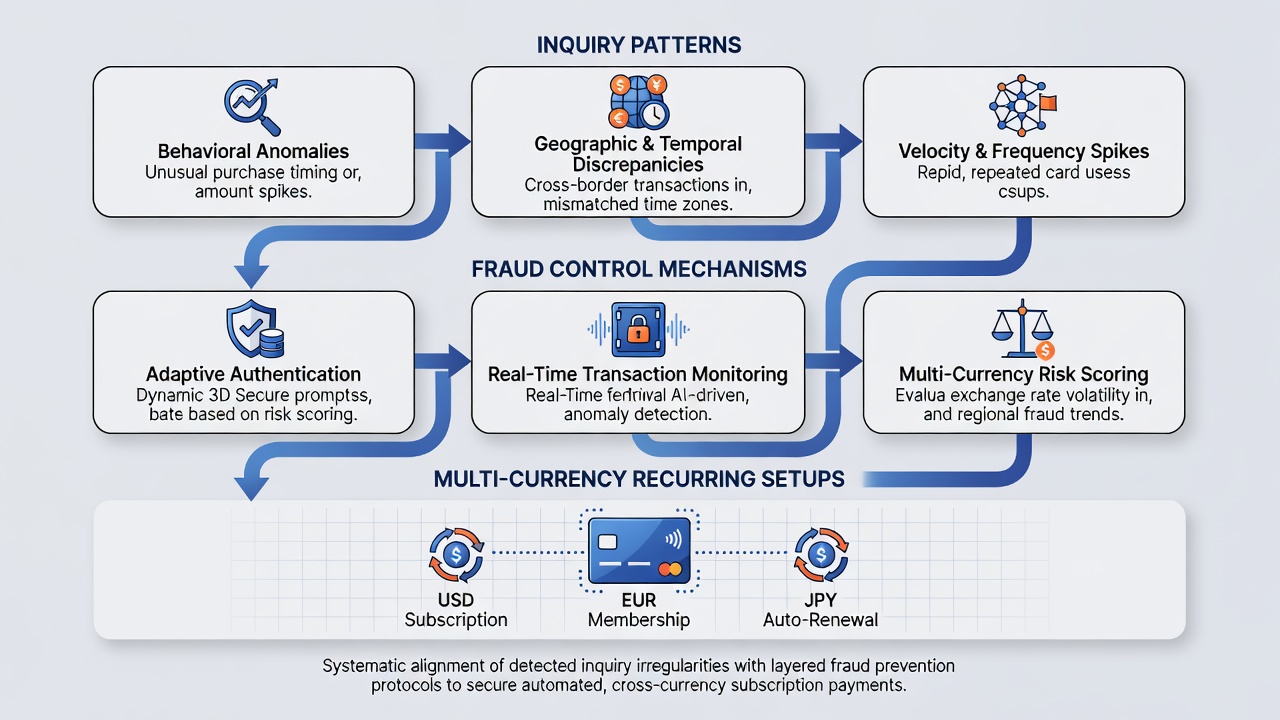
Systems also track inquiry language and channel preferences, since customers contacting support via email versus chat often exhibit different risk profiles in multi-currency environments. Integration of these elements into existing fraud platforms allows dynamic updates to rulesets that apply across payment gateways handling subscriptions in diverse regions.
Implementation Steps in Operational Environments
Teams begin by establishing baseline inquiry metrics over rolling 30-day windows, then overlay fraud incident data to identify correlations. Automated workflows route flagged patterns to review queues where analysts validate whether adjustments to recurring authorization limits are warranted. This process draws on established frameworks from bodies such as the PCI Security Standards Council, which outline how support data contributes to overall risk management without exposing sensitive card details.
Regular calibration sessions compare inquiry-driven alerts against actual loss statistics, and findings from these reviews refine the mapping logic. In environments processing high volumes of international subscriptions, the linkage between support signals adn control parameters has demonstrated measurable effects on detection accuracy according to aggregated processor statistics.
Conclusion
Effective mapping of inquiry patterns supplies payment operations with an additional data layer that complements traditional transaction monitoring in multi-currency recurring credit card environments. Continued refinement of these connections supports both compliance requirements and operational efficiency across global merchant networks.