POS System Adaptations for Streamlined Payment Processing in Varied Merchant Environments
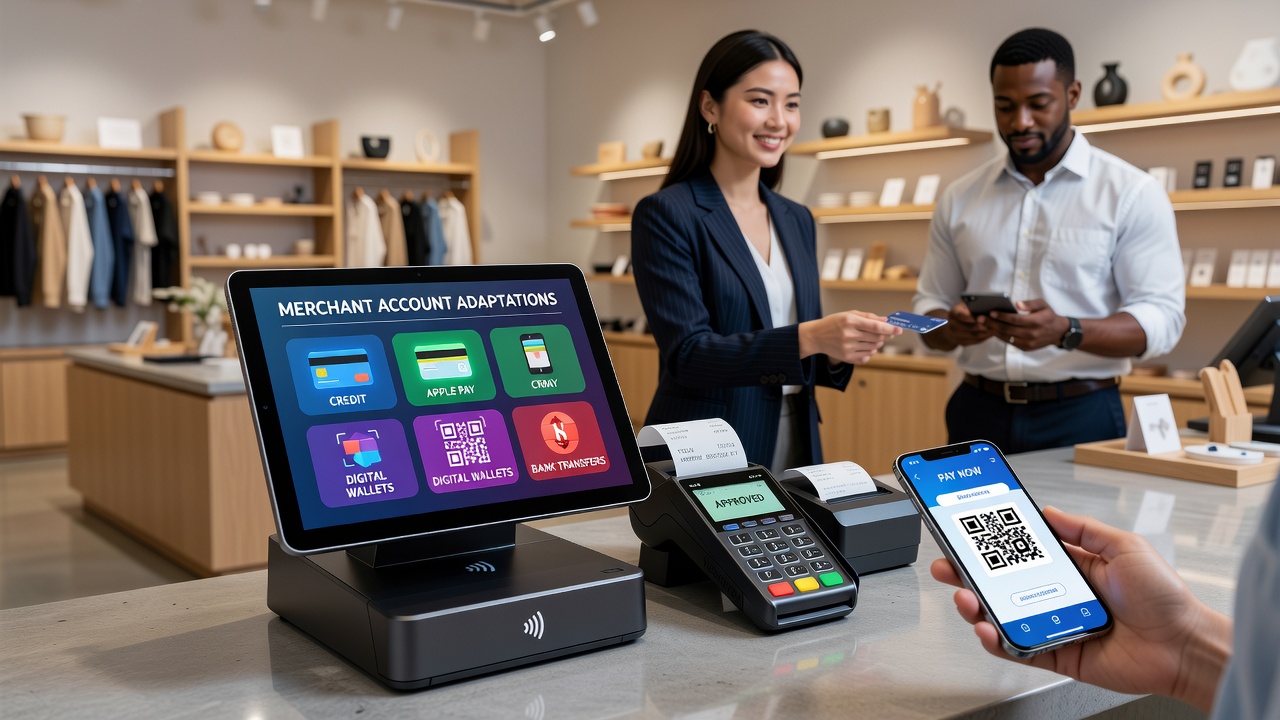
Point-of-sale systems have evolved to accommodate the distinct operational demands of merchants ranging from quick-service restaurants to specialty retail outlets and service-based businesses, and these adaptations center on faster transaction flows along with broader compatibility across payment types. In July 2026 several hardware and software updates rolled out that emphasize modular components capable of integrating contactless readers, mobile wallets, adn traditional card terminals without requiring full system replacements.
Core Hardware Modifications Across Merchant Categories
Retail environments handling high volumes of small-ticket sales often deploy compact countertop units fitted with multi-protocol chip readers that switch between EMV, NFC, and QR code inputs in a single pass. Food-service operators meanwhile favor handheld devices paired with kitchen display systems so that payment capture happens at the table while order data routes simultaneously to preparation areas. Service businesses such as salons or repair shops rely on tablet-based configurations mounted on portable stands that allow staff to complete invoices and accept payments in any part of the premises.
These hardware choices reduce the time between customer approval and receipt generation, and data from the Federal Reserve's 2025 payments report shows average transaction completion times dropped by 18 percent in locations that adopted such modular readers during the preceding year.
Software Integration Layers That Support Diverse Account Profiles
Behind the physical terminals, middleware platforms now connect inventory databases, loyalty programs, and accounting ledgers so that each payment automatically updates stock levels and triggers tax calculations tailored to the merchant's jurisdiction and business model. Cloud-based dashboards give owners visibility into daily reconciliation across multiple locations without manual data export, and API endpoints allow third-party booking or reservation tools to feed directly into the payment queue.
Merchants operating seasonal pop-ups benefit from subscription-style licensing that scales device counts up or down monthly, whereas established chains maintain perpetual licenses with on-premise servers for redundancy during peak periods. Observers note that these flexible licensing structures emerged after several large payment processors standardized their developer kits in early 2025.
Connectivity Options That Maintain Uptime in Mixed Retail Settings
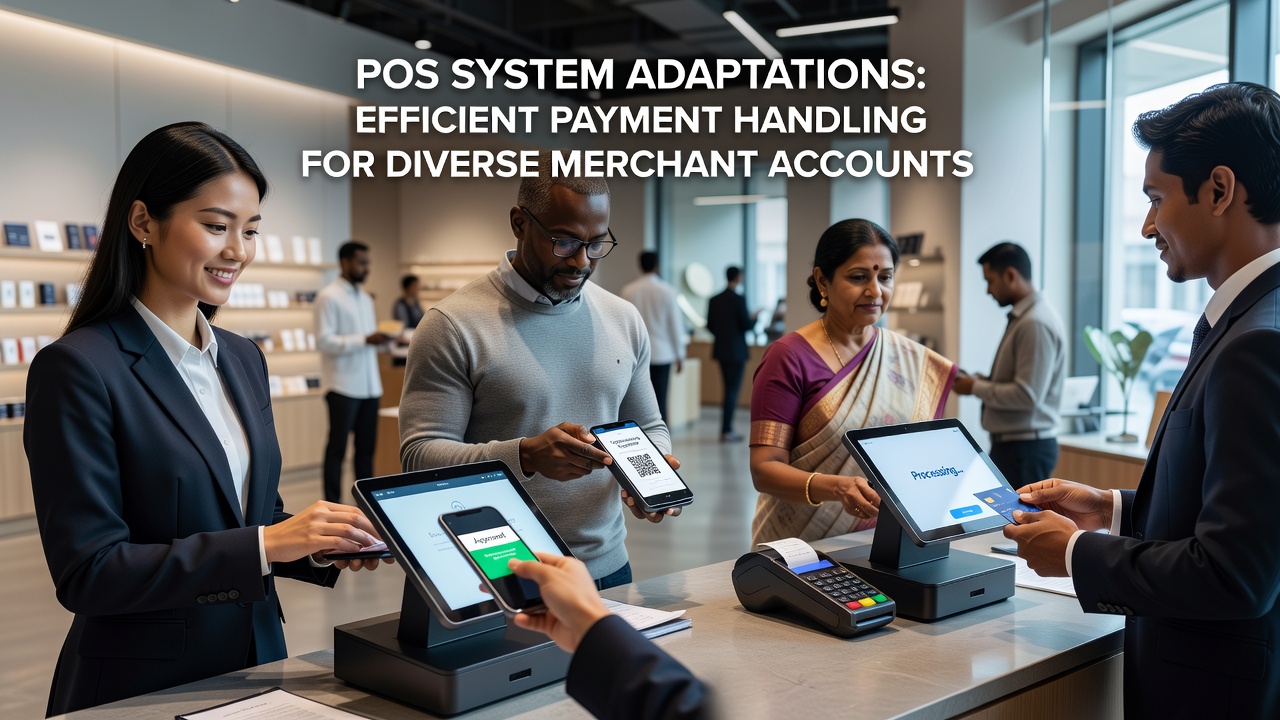
Stable internet remains essential yet many merchants operate in locations where broadband can fluctuate, so current POS adaptations incorporate dual-path connectivity that switches between Wi-Fi and cellular networks within milliseconds of signal loss. Backup battery packs keep terminals operational during brief power interruptions, and local caching stores transaction records until the primary link restores. Research indicates these hybrid connections have lowered failed transaction rates by roughly 12 percent in rural and temporary retail sites according to figures released by the Australian Payments Network.
Bluetooth pairing between customer-facing displays and staff terminals further supports queue management in high-traffic stores, allowing one device to handle payment while another prints receipts or issues digital copies via email or text. Such pairings operate independently of the main network once initial handshakes complete.
Data Handling Practices That Align With Merchant-Specific Needs
Diverse merchant accounts generate different reporting requirements, and modern POS platforms segment transaction logs by payment channel, time of day, and product category so that owners can extract targeted analytics without sifting through raw logs. Automated export routines feed directly into tax software or enterprise resource planning systems, reducing manual entry errors. Those who manage multiple store formats appreciate the ability to apply distinct tax rules and tipping prompts per location within a single administrative console.
Encryption protocols remain standardized across these platforms, yet key management occurs at the processor level so individual merchants avoid handling sensitive certificate rotations. This separation keeps compliance burdens lower while still satisfying data-protection expectations set by card networks.
Conclusion
Adaptations in POS hardware, connectivity, and software layers continue to address the operational realities faced by merchants of varying sizes and formats. The July 2026 updates focused on modular readers and hybrid networks reflect ongoing efforts to shorten transaction cycles and maintain reliable service across diverse account types. As payment methods proliferate, these systems provide the infrastructure that keeps daily operations running smoothly without requiring constant infrastructure overhauls.