Synchronization Techniques Between Demand Patterns and Transaction Approvals in Seasonal Retail Models
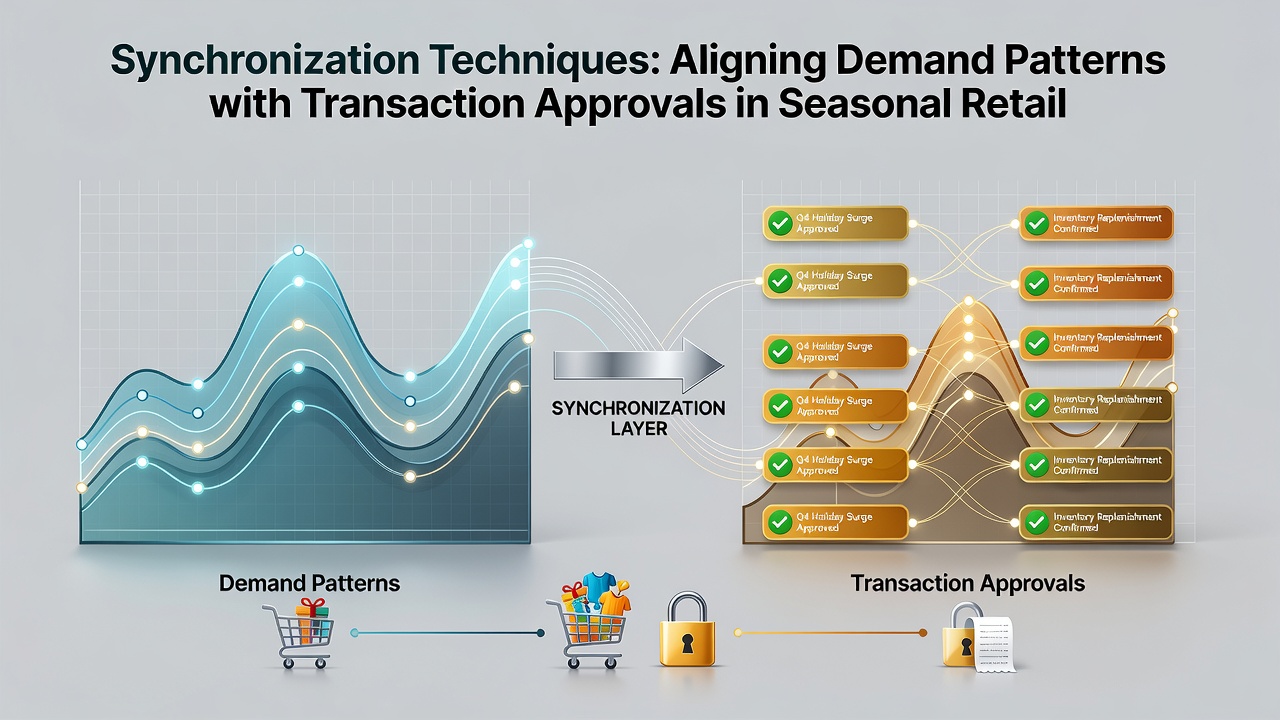
Seasonal retail models rely on precise coordination between fluctuating consumer demand and the mechanisms that approve or decline transactions at the point of sale, and observers note that this coordination prevents lost sales while maintaining security standards across high-volume periods. Retailers track historical sales data alongside current indicators such as weather patterns and promotional calendars, then feed those insights into approval workflows that adjust thresholds in real time. Data from government statistical agencies shows that synchronized systems reduce unnecessary declines by aligning inventory availability signals with payment processor rules during events like holiday rushes or back-to-school surges.
Mapping Demand Patterns in Seasonal Contexts
Retail analysts begin by segmenting demand into predictable cycles using point-of-sale records and external variables such as regional events or supply chain disruptions, and researchers at institutions like the Australian Bureau of Statistics have documented how these patterns shift across different geographic markets. Advanced models incorporate machine learning to forecast spikes in specific product categories, allowing approval engines to pre-authorize higher volumes for merchants who demonstrate consistent inventory levels. Those who have studied retail operations find that early identification of demand clusters enables payment gateways to relax velocity checks without increasing fraud exposure, since the underlying transaction volume matches projected patterns rather than anomalous activity.
Core Synchronization Techniques
One established method involves dynamic threshold adjustment where approval algorithms receive live feeds from demand forecasting tools, and this linkage lets processors raise daily limits for approved merchants when sales projections exceed baseline figures by set percentages. Another approach uses batch pre-authorization during off-peak hours, so that high-demand items carry provisional approvals that convert instantly once stock confirmation arrives from warehouse systems. Observers note that combining these techniques creates layered resilience, because transaction systems can fall back on historical averages if real-time data feeds experience brief interruptions during peak hours.
Integration with inventory management platforms further strengthens synchronization by triggering automatic declines when stock levels drop below forecasted thresholds, preventing the approval of orders that cannot be fulfilled. Retail networks that implement this feedback loop report fewer chargebacks related to out-of-stock situations, since the approval layer actively consults availability data before final authorization. Studies from academic sources indicate that such closed-loop systems improve overall approval rates while preserving the security parameters required by card networks and regulatory frameworks.
Operational Implementation Across Retail Channels
Physical stores and e-commerce platforms apply these techniques differently yet achieve similar outcomes when demand signals flow into a unified approval architecture, and multi-channel retailers often deploy middleware that normalizes data from both environments before it reaches the payment processor. In June 2026, several large chains plan expanded testing of edge-computing nodes that perform preliminary approval scoring at the store level using localized demand forecasts, reducing latency during high-traffic periods. This distributed model allows individual locations to maintain independent synchronization rules while still reporting aggregated patterns to central systems for broader threshold calibration.
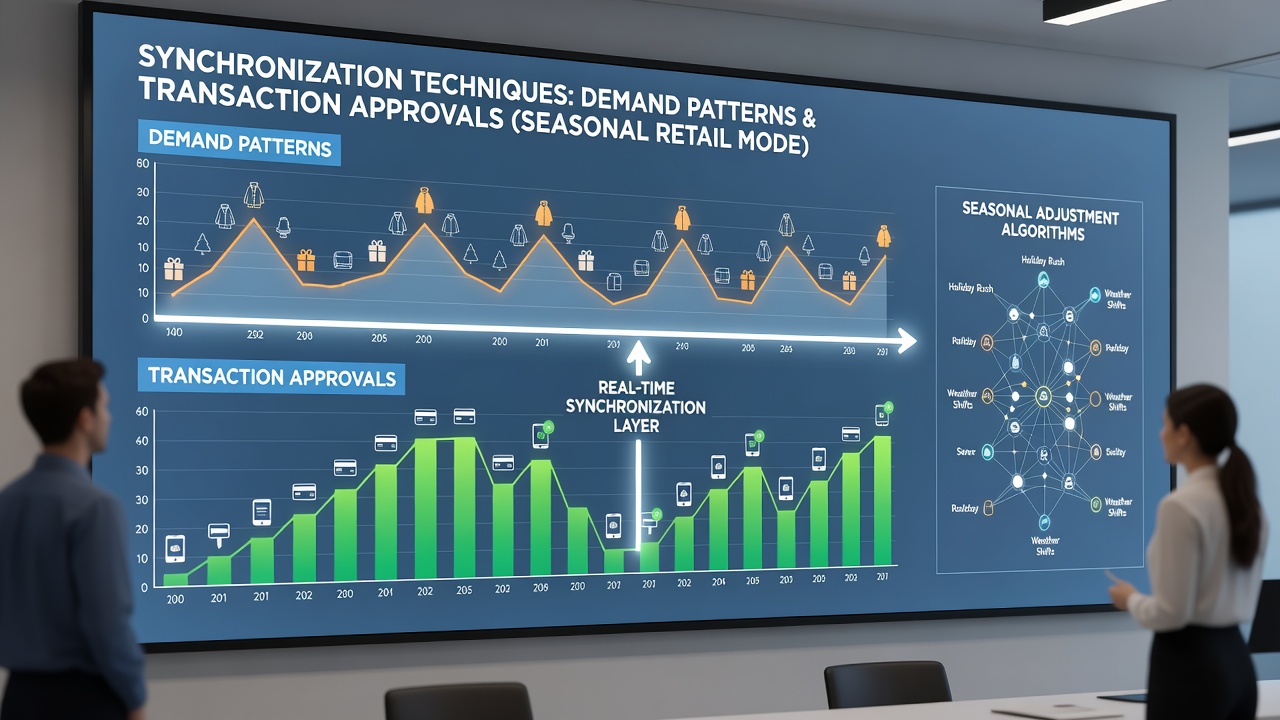
Training programs for operations teams emphasize interpretation of synchronized dashboards that display both demand curves and approval metrics side by side, enabling staff to spot divergences quickly and request manual overrides when necessary. Those who manage seasonal operations find that clear escalation paths between forecasting teams and payment specialists prevent small mismatches from escalating into widespread declines. Documentation from industry consortia highlights standardized APIs that facilitate these handoffs across different software vendors, ensuring compatibility even when retailers update individual components of their technology stack.
Measuring Effectiveness and Adjusting Parameters
Performance metrics focus on the correlation coefficient between forecasted demand and actual approved transaction volumes, with successful implementations maintaining alignment above established benchmarks throughout seasonal peaks. Retailers conduct post-event reviews that compare projected versus realized approval rates, then refine model weights for the next cycle based on observed variances. Government retail statistics agencies in multiple regions publish aggregate benchmarks that allow individual merchants to gauge their synchronization performance against industry norms without revealing proprietary details.
Adjustments often involve recalibrating risk scores assigned to specific merchant categories when seasonal data reveals consistent under- or over-approval trends, and this iterative process keeps approval engines responsive to evolving consumer behavior. External audits verify that synchronization controls do not inadvertently discriminate against legitimate transactions from particular regions or customer segments, maintaining compliance with applicable fair lending and data protection requirements.
Conclusion
Synchronization between demand patterns and transaction approvals delivers measurable operational benefits for seasonal retail models by reducing lost sales and maintaining security controls. Continued refinement of these techniques, supported by ongoing data collection and cross-platform integration, positions retailers to handle future seasonal fluctuations with greater precision as market conditions evolve through 2026 and beyond.