Tracing Support Interactions That Fortify Defenses in Worldwide Merchant Terminal Operations
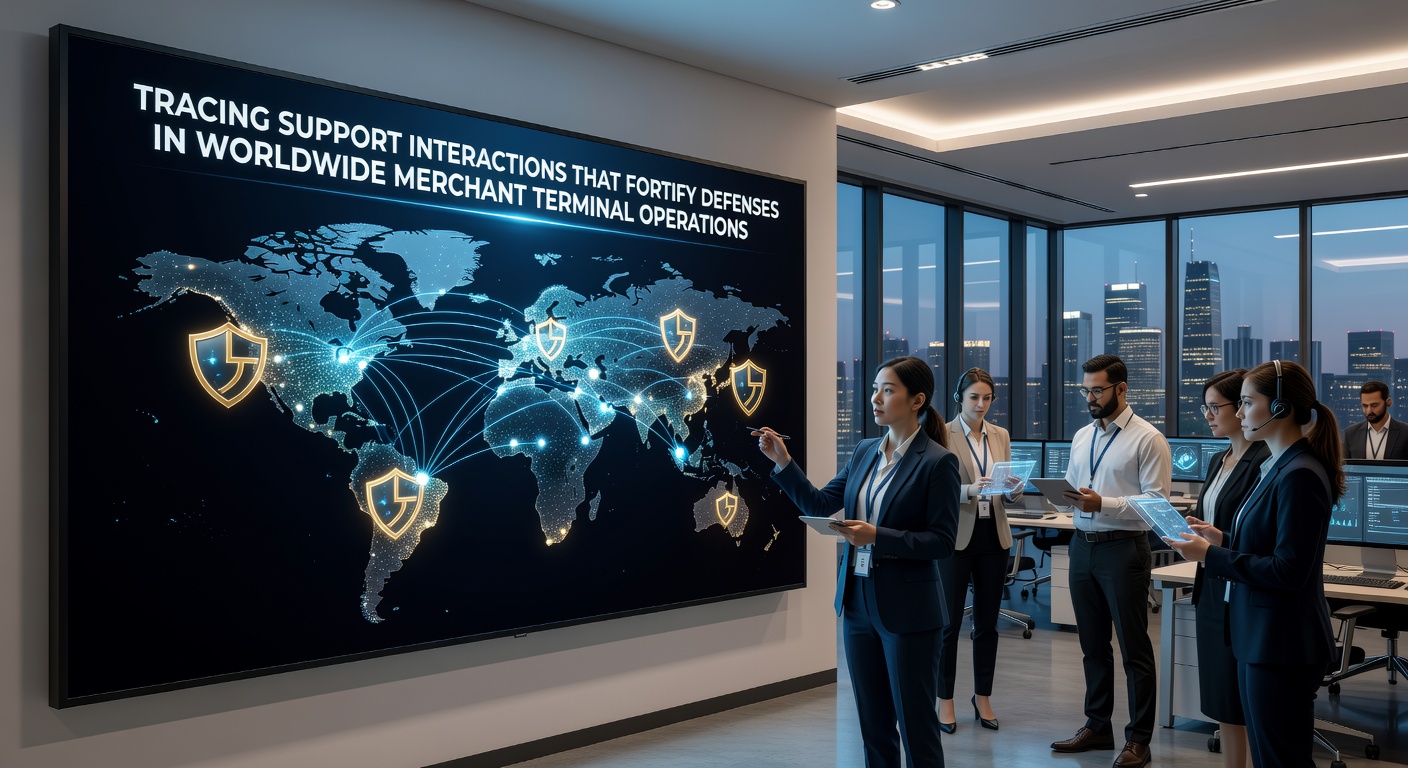
Support interactions in merchant terminal operations serve as critical data points that organizations trace to identify vulnerabilities and reinforce security protocols across international payment networks, and data from industry reports shows these traces often reveal patterns in transaction disputes that point directly to potential breach points in hardware and software configurations.
Mapping Interaction Logs to Terminal Security Frameworks
Payment processors maintain detailed records of every support ticket involving point-of-sale terminals, and these logs capture device identifiers, firmware versions, and operator inputs that connect directly to compliance checks required under global standards. Observers note that when teams cross-reference support timestamps with transaction anomalies, they uncover instances where terminal operators bypassed authentication steps, which then triggers automated alerts that update firewall rules in real time.
Research indicates that tracing these interactions helps isolate regional differences in terminal deployment, such as variations in encryption requirements between North American and Asian markets, and organizations apply this information to standardize patch deployment schedules that reduce exposure windows. According to analyses from the PCI Security Standards Council, support-derived metrics have contributed to measurable declines in unauthorized access incidents when integrated into ongoing monitoring systems.
Regional Patterns in Support-Driven Defense Adjustments
European operators frequently document support calls related to EMV chip failures that coincide with spikes in attempted skimming activity, and analysts use these correlations to adjust terminal firmware across entire merchant fleets before widespread exploitation occurs. In contrast, data from the Bank of Canada highlights how Canadian terminals experience higher volumes of connectivity-related support requests during peak retail seasons, prompting preemptive network segmentation that limits lateral movement in case of compromise.
Asia-Pacific networks show distinct trends where support interactions often involve cross-border currency conversion errors that mask underlying routing vulnerabilities, and tracing these cases has led to refined API validation layers that verify merchant credentials at multiple checkpoints. What's interesting is how these geographically specific patterns feed into centralized databases that allow processors to predict and preempt similar issues in emerging markets before terminals are even deployed.
Technology Integration for Interaction Tracing
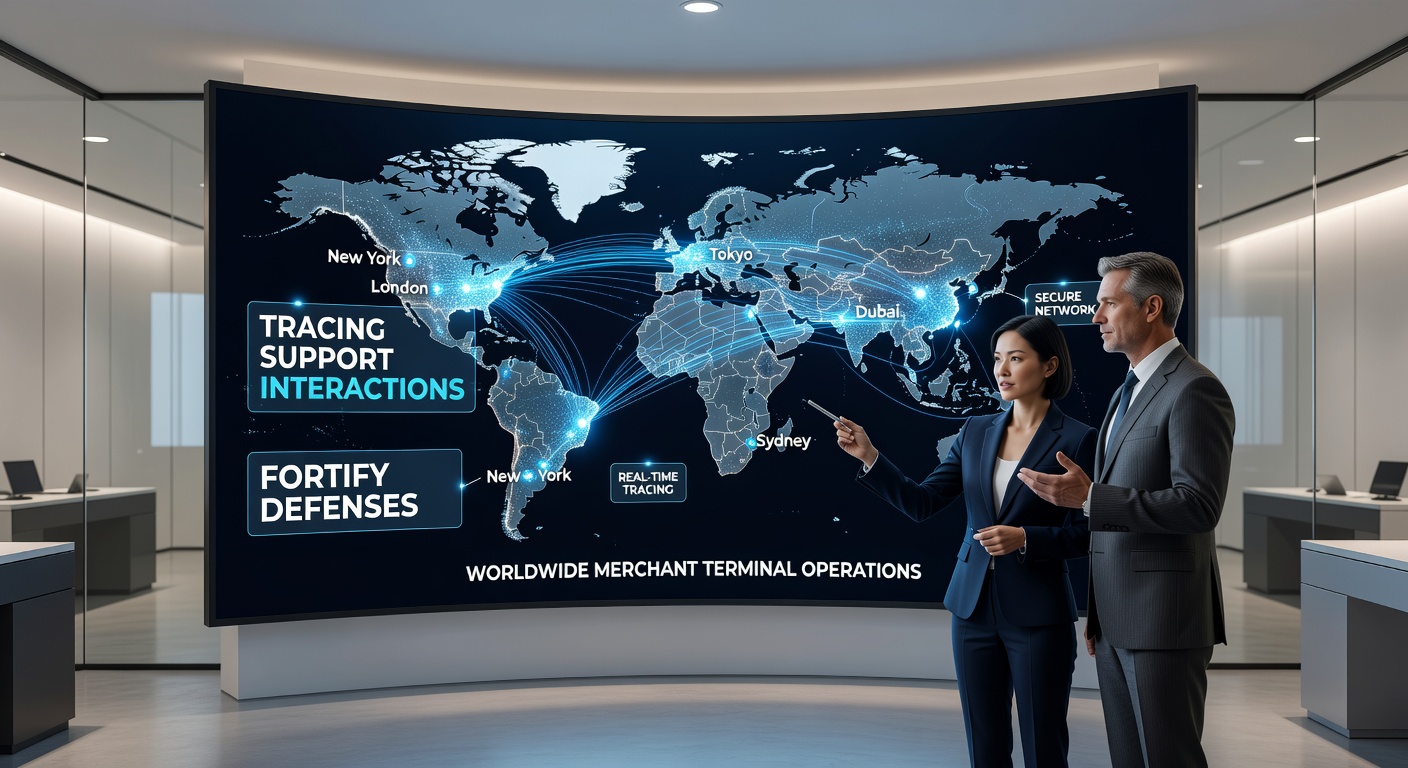
Modern systems employ AI-assisted tools that parse support transcripts and match keywords to known threat indicators, and this process generates heat maps that display terminal clusters requiring immediate attention. Experts have observed that combining natural language processing with terminal telemetry creates feedback loops where resolved support cases automatically inform rule sets used by fraud detection engines.
These integrations operate continuously, and they allow teams to review historical interaction chains when new vulnerabilities surface in June 2026 compliance audits scheduled across multiple jurisdictions. Figures from terminal manufacturers reveal that organizations adopting such tracing methods report faster remediation times compared to those relying solely on transaction monitoring alone.
Compliance Layers Strengthened Through Support Data
Support interaction trails provide evidence trails for audits conducted under frameworks like those outlined by the European Central Bank, and auditors examine how merchant responses to terminal issues align with documented procedures for incident escalation. This alignment ensures that defenses evolve in tandem with regulatory updates rather than lagging behind them.
One documented approach involves mapping support resolution steps to specific control objectives within terminal management systems, which creates auditable records that demonstrate proactive risk mitigation. Researchers discovered that this method proves especially effective in multi-vendor environments where terminals from different suppliers must adhere to unified security baselines.
Conclusion
Tracing support interactions continues to serve as an essential mechanism for fortifying merchant terminal defenses on a global scale, and ongoing developments in data analytics promise to refine these processes further as networks expand into new territories. Organizations that maintain comprehensive interaction records position themselves to respond swiftly when emerging threats target terminal infrastructure, and the resulting security posture reflects the cumulative insights drawn from every resolved case.