Training Protocols That Equip Teams to Manage Payment Issues Effectively in Store Environments
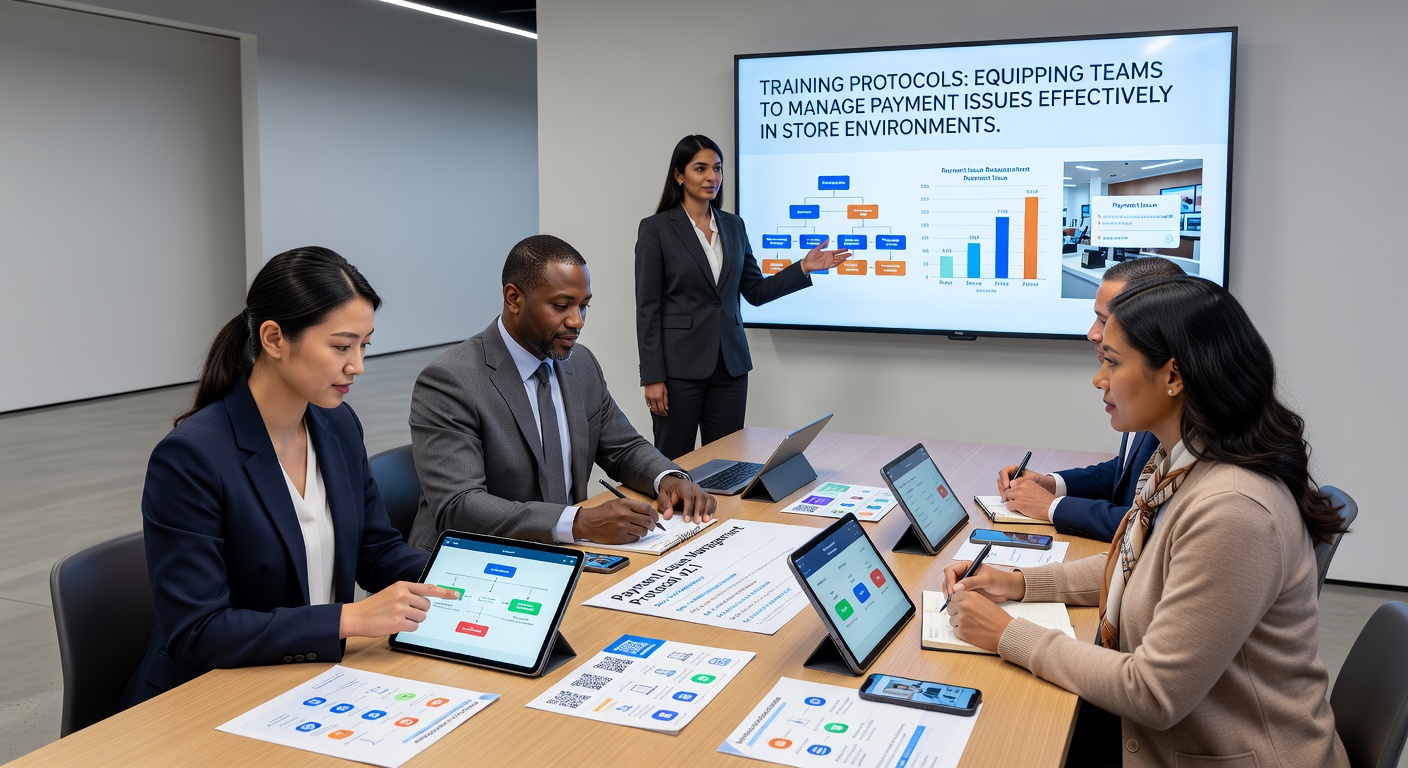
Retail environments present distinct payment challenges that require structured preparation for frontline teams, and effective protocols address declined transactions, terminal malfunctions, refund processing, and security verification steps in physical locations where immediate resolution matters most. Data from industry reports shows that stores handling high volumes of in-person sales encounter payment discrepancies at rates influenced by terminal configurations, card types, and customer behaviors, while teams trained through targeted methods demonstrate improved resolution times according to observations from multiple retail operations.
Core Elements of In-Store Payment Training
Protocols begin with foundational modules that cover point-of-sale hardware operation, including EMV chip readers, contactless interfaces, and cash drawer reconciliation procedures, since employees must distinguish between authorization failures caused by network issues versus card problems. Researchers discovered that combining classroom instruction with on-site practice sessions allows staff to apply concepts directly to equipment they use daily, and this approach reduces errors during live customer interactions. Training materials often reference guidelines from the PCI Security Standards Council, which outline secure handling practices that protect both transaction data and customer information in physical retail spaces.
Modules also incorporate scenarios involving partial payments, split tenders, and loyalty program integrations because these situations frequently arise at checkout counters where quick decisions prevent transaction abandonment. Observers note that teams receiving repeated exposure to these examples through role-play exercises develop consistent responses that align with store policies and regulatory requirements.
Simulation Methods and Skill Reinforcement
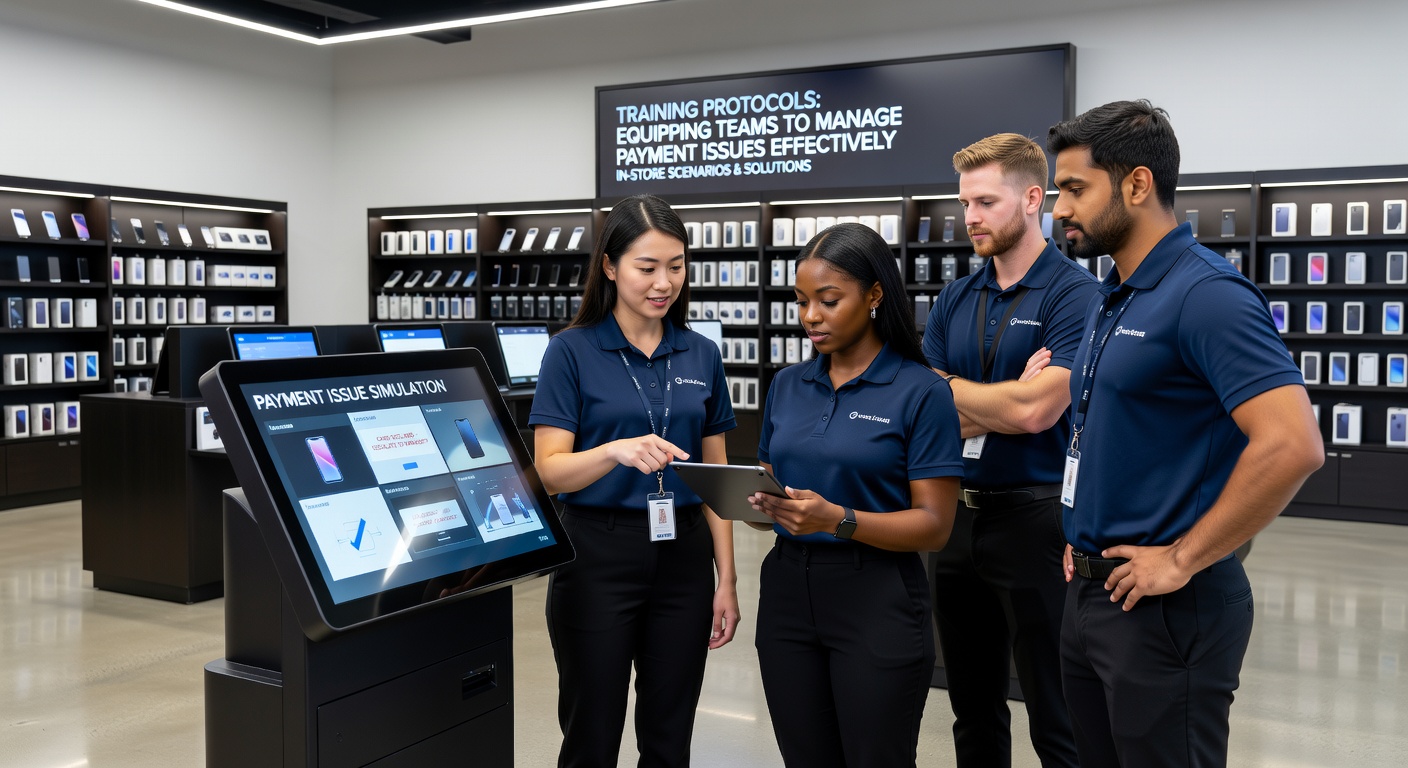
Many organizations integrate digital simulators that replicate terminal error messages, timeout conditions, and declined authorization codes to build muscle memory without risking actual sales data, and this technique proves especially useful during peak periods when real-world practice opportunities are limited. Studies indicate that staff who complete simulation cycles at regular intervals retain procedural knowledge longer than those relying solely on initial orientation, while feedback loops built into the software highlight specific steps that need adjustment.
Hands-on drills further reinforce these skills by staging mock customer interactions that include aggressive disputes or requests for manual card entries, allowing supervisors to evaluate both technical accuracy and de-escalation techniques simultaneously. What's interesting is how these combined methods create measurable improvements in first-contact resolution rates across different store formats.
Assessment Frameworks and Protocol Updates
Effective programs establish recurring evaluation points that test knowledge retention through written assessments, observed transactions, and audit reviews of processed payments, since static training loses relevance as payment technologies evolve. Figures reveal that organizations conducting quarterly reviews align their teams more closely with current card network rules and terminal firmware changes, and this schedule supports adaptation to new contactless limits or regional verification requirements.
By May 2026 several retail networks had incorporated updated modules addressing biometric payment options and enhanced receipt retention rules, drawing on data shared through industry associations that track emerging terminal capabilities across North American and European markets. Protocols also emphasize documentation practices so that each payment incident generates records usable for later analysis and staff coaching.
Integration with Broader Operational Standards
Training does not operate in isolation but connects directly to loss prevention strategies, inventory reconciliation, and customer service benchmarks because payment issues often intersect with these areas during daily operations. Those who've studied retail performance metrics find that cross-functional sessions involving both payment specialists and floor supervisors produce more comprehensive responses to complex situations such as suspected fraud at the register or system outages affecting multiple lanes.
Resources from organizations like the Retail Council of Canada highlight how standardized checklists help maintain consistency across franchise locations, while European retail federations report similar benefits when training incorporates local banking regulations that vary by country. This geographic tailoring ensures teams understand nuances in authorization flows that differ between domestic and international cards.
Conclusion
Structured training protocols equip store teams with the procedural knowledge and practical experience needed to address payment issues as they occur, and ongoing refinement based on transaction data keeps these programs aligned with technological and regulatory shifts. Organizations that implement layered approaches combining simulations, assessments, and cross-department coordination observe sustained improvements in transaction handling efficiency across diverse retail settings.