Turning Customer Inquiries into Layers of Defense for PCI Compliance in Subscription-Based Retail Networks
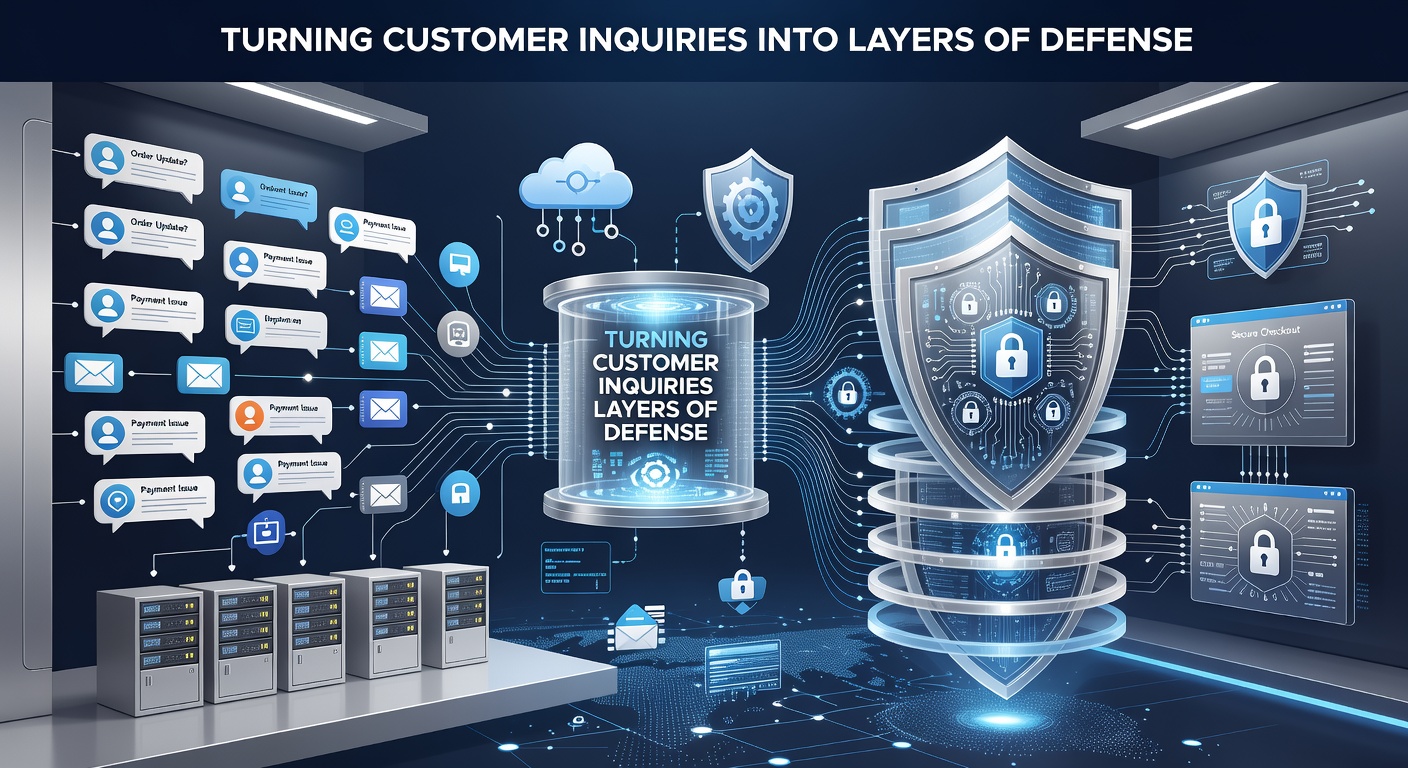
Subscription-based retail networks process recurring payments across multiple customer touchpoints, which creates ongoing requirements for PCI DSS adherence that extend beyond one-time transactions. These networks must protect cardholder data during initial sign-ups and throughout the billing cycle while handling address changes, payment updates, and service modifications that customers initiate through support channels.
PCI DSS Requirements in Recurring Payment Environments
PCI DSS standards mandate specific controls for storing, transmitting, and processing cardholder data in systems that charge customers repeatedly. Research from the PCI Security Standards Council shows that subscription models increase exposure points because stored credentials require regular validation and token rotation to maintain compliance. Networks that manage these flows across vendors must segment data environments and apply encryption at each layer to meet requirements 3 and 4 of the standard.
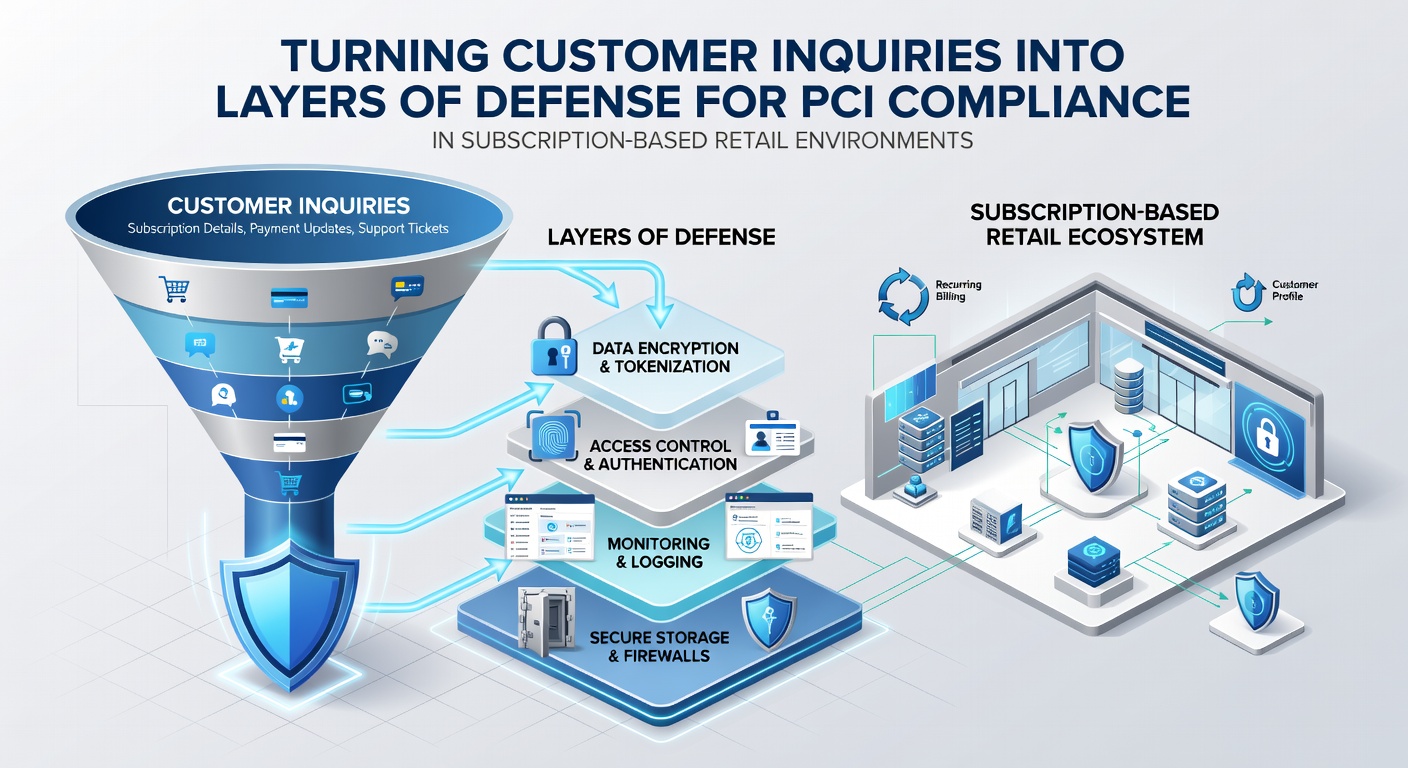
Customer inquiries often surface details that directly support these controls. When subscribers contact support to dispute a charge or update billing information, the interaction generates records that can verify authorization processes and detect anomalies in payment patterns. Data indicates these records help organizations confirm that only approved personnel access sensitive systems during verification steps.
Converting Support Interactions into Security Signals
Support teams collect structured data from every inquiry, including timestamps, device identifiers, and account change requests. Retail networks integrate this information with fraud monitoring platforms to create additional validation layers. A single request to change a stored payment method, for example, can trigger secondary authentication checks that align with PCI DSS requirement 8 on strong access controls.
Observers note that patterns emerging from aggregated inquiries reveal potential gaps in tokenization procedures. When multiple customers report unexpected billing descriptors within a short window, systems flag the event for review before it escalates into a compliance incident. This approach turns routine communications into proactive monitoring tools without adding friction to the customer experience.
Implementation Across Multi-Vendor Retail Networks
Subscription platforms frequently rely on third-party processors and fulfillment partners, which expands the scope of PCI compliance responsibilities. Inquiries received through any channel must route through centralized logging systems that maintain chain-of-custody records for audits. Experts have observed that unified dashboards allow compliance teams to correlate support activity with transaction logs across all connected vendors.
One retailer operating across North America and Europe implemented automated tagging of inquiry types that feed directly into its SIEM platform. This configuration allowed real-time alerts when support volume spiked in regions with higher reported card-testing activity. Figures from the Federal Trade Commission indicate that early detection through such channels reduced unauthorized access attempts by measurable percentages in comparable retail environments during 2025 testing cycles.
Additional controls include mapping inquiry resolution workflows to PCI-mandated incident response procedures. When a customer reports suspected account compromise through support, the network follows predefined steps that include immediate token invalidation and re-issuance of new credentials. These steps satisfy both operational needs and documentation requirements for annual assessments.
Monitoring and Reporting in 2026
As of May 2026, updated reporting templates from major card brands emphasize evidence of ongoing customer interaction monitoring as part of compliance attestations. Subscription networks that already route inquiries into security analytics meet these expectations more readily than those relying solely on automated transaction monitoring. Canadian privacy regulators have published guidance encouraging organizations to leverage support data for identifying unauthorized access attempts while maintaining strict data minimization practices.
Training programs for support staff now incorporate modules on recognizing indicators that warrant escalation to security teams. These programs reference specific PCI DSS testing procedures and emphasize that every inquiry record contributes to the overall audit trail. Networks document completion rates and tie them to quarterly compliance reviews.
Conclusion
Subscription retail networks strengthen PCI compliance by systematically incorporating customer inquiry data into existing security frameworks. This integration creates layered defenses that address both operational requirements and regulatory expectations without requiring separate compliance infrastructures. Continued refinement of these processes supports consistent adherence as payment ecosystems evolve through 2026 and beyond.