Unseen Shields: Real-Time Fraud Defenses in E-Commerce Gateways
Unseen Shields: Real-Time Fraud Defenses in E-Commerce Gateways
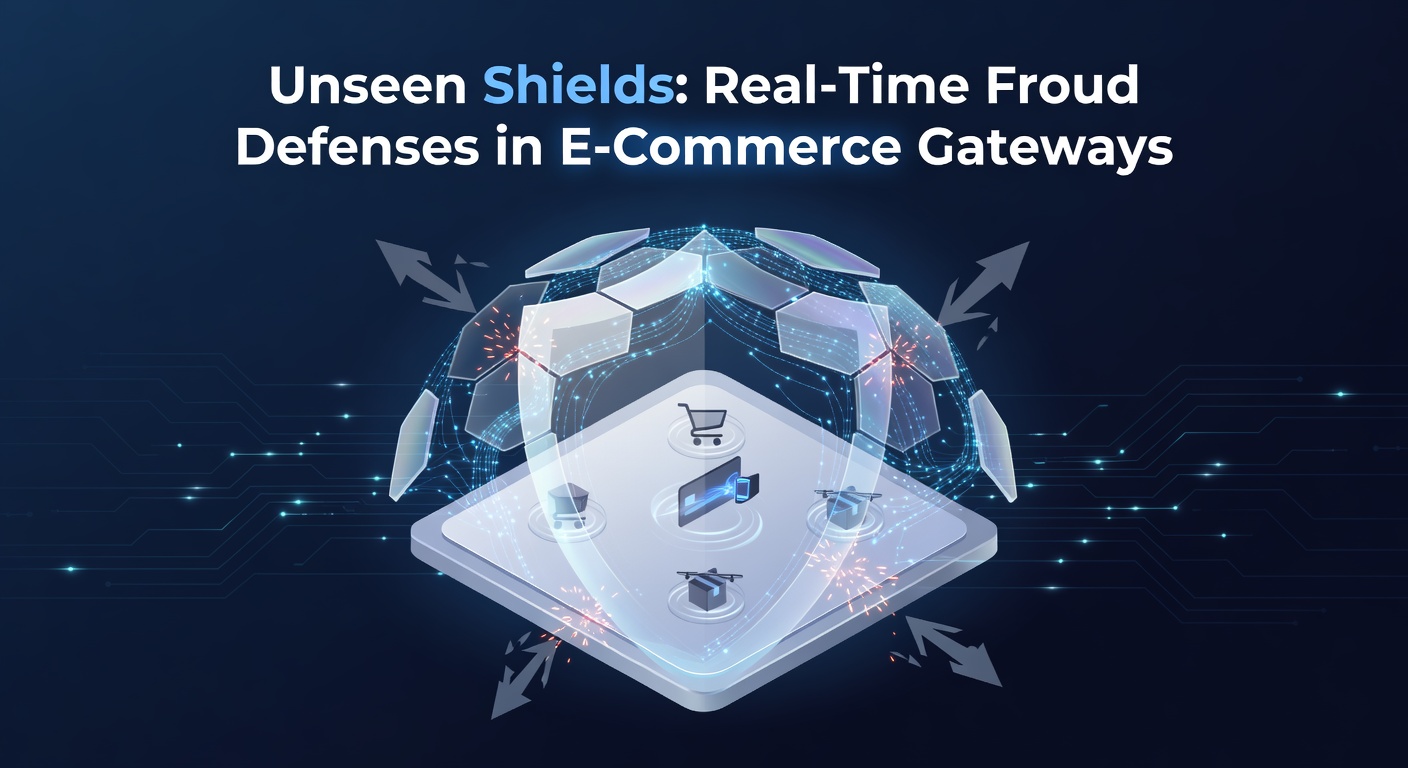
The Invisible Frontline in Online Transactions
Online shopping surges ahead, yet fraudsters lurk in the shadows, probing for weaknesses in payment gateways; that's where unseen shields come into play, deploying real-time defenses that scrutinize every transaction before it clears. These systems, embedded within e-commerce platforms, analyze patterns instantaneously, flagging anomalies while legitimate buyers sail through unchecked. Data from the Federal Trade Commission reveals that in 2023 alone, consumers reported over $10 billion in fraud losses, with e-commerce scams topping the list, and figures indicate a steady climb into 2026 as digital commerce expands globally.
Experts who track these trends note how gateways like Stripe, Adyen, and Braintree integrate such shields seamlessly, turning potential breaches into mere blips on monitoring dashboards. But here's the thing: these defenses don't just react; they predict, using layers of intelligence that evolve with emerging threats, ensuring merchants stay one step ahead without slowing down sales velocity.
How Real-Time Fraud Defenses Operate Under the Hood
At their core, these unseen shields leverage machine learning algorithms trained on vast datasets of historical transactions, identifying subtle deviations like unusual IP geolocations or mismatched billing details in milliseconds; velocity checks, for instance, cap the number of attempts from a single device within a timeframe, while device fingerprinting captures browser traits, screen resolutions, and even font installations to build unique profiles that fraudsters can't easily spoof. Researchers at MIT's Computer Science and Artificial Intelligence Laboratory have documented how such fingerprinting reduces false positives by up to 40%, allowing systems to distinguish humans from bots with eerie accuracy.
And it doesn't stop there: behavioral biometrics monitor mouse movements, keystroke dynamics, and swipe patterns on mobile devices, creating a digital signature that's tough to replicate; when combined with 3D Secure protocols mandated in regions like the EU under PSD2, these layers form a formidable barrier. Observers point out that gateways now score transactions on risk levels—low, medium, high—triggering step-up authentication only when necessary, which keeps conversion rates high; take one major retailer that implemented this in 2024, watching cart abandonment drop by 15% almost overnight.
What's interesting is the role of graph databases in mapping fraud networks: they connect dots between disparate events, like a spike in high-value orders from proxy servers linked to known bad actors, enabling preemptive blocks across merchants. Yet, as threats morph—think AI-generated deepfake identities—these shields adapt via continuous model retraining, pulling in fresh data from global consortiums.
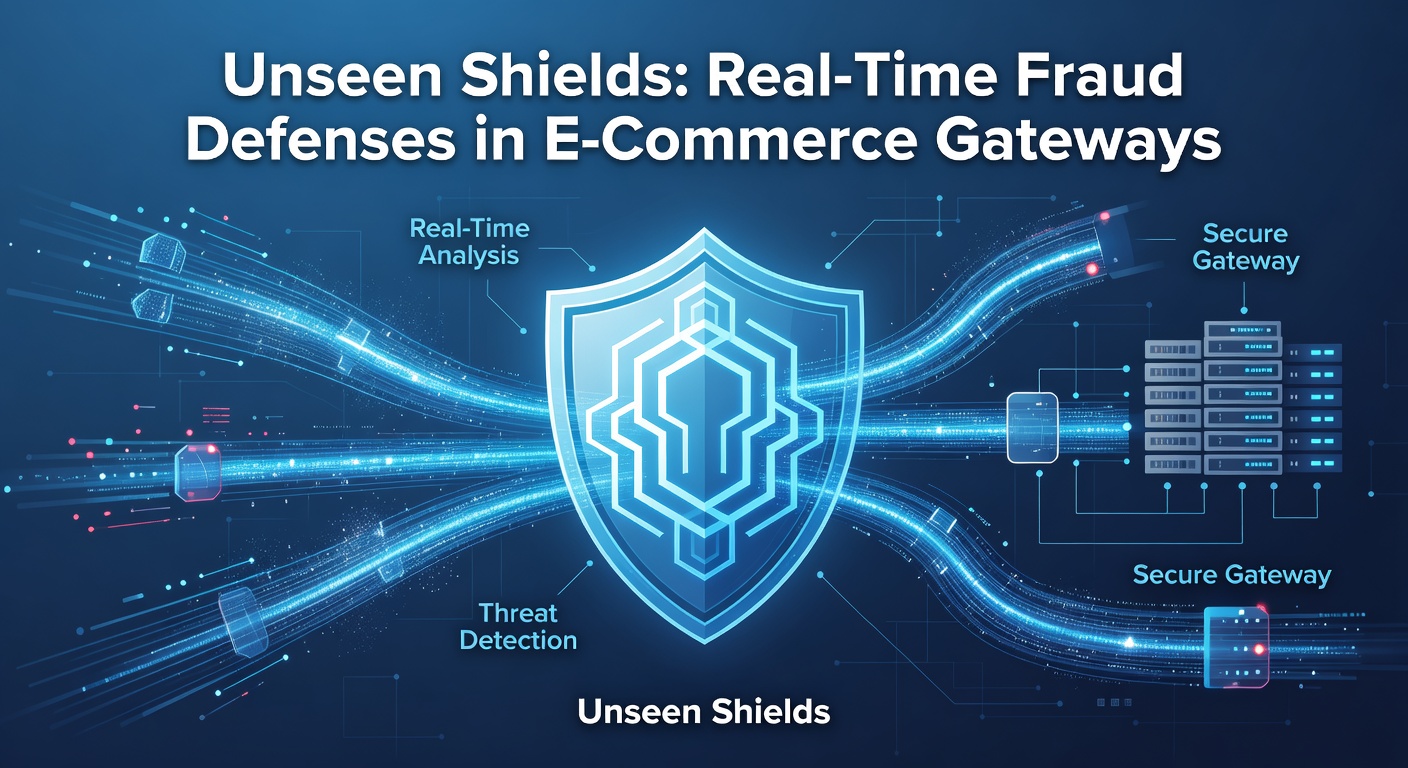
Key Technologies Powering the Defenses
- AI-Driven Anomaly Detection: Neural networks process millions of features per transaction, outperforming rule-based systems that once flagged 20% of good orders as suspicious; studies from Stanford University show AI cuts fraud rates by 70% in high-volume environments.
- Tokenization and Encryption: Sensitive card data gets swapped for tokens at the gateway, rendering intercepts useless, while end-to-end encryption ensures data in transit remains shielded even if networks falter.
- Network Tokenization: Rolled out by Visa and Mastercard, this replaces static PANs with dynamic tokens tied to devices or channels, slashing repeat fraud attempts.
- Collaborative Sharing: Platforms like the PCI Security Standards Council facilitate blacklists and shared intelligence, where one merchant's blocklist informs others in real time.
Turns out, integrating these isn't rocket science for modern gateways; APIs make it plug-and-play, and cloud scalability handles Black Friday peaks without breaking a sweat. People who've deployed them often discover not just fraud drops, but boosted customer trust—surveys from the Australian Competition and Consumer Commission (ACCC scam reports) highlight how transparent defenses correlate with fewer complaints in 2025 data.
Real-World Impact: Stats That Tell the Story
Figures reveal the payoff: LexisNexis Risk Solutions reported a 25% rise in e-commerce fraud attempts in 2024, yet losses per incident fell 18% thanks to real-time interventions; in the US, merchants using advanced gateways saw chargeback ratios dip below 0.9%, well under the Visa threshold that triggers fines. Europe fares similarly, with the European Banking Authority noting PSD2's strong customer authentication cut card-not-present fraud by 85% across participating banks.
But here's where it gets interesting: cross-border transactions, prone to 3x higher fraud rates, benefit most, as geo-velocity rules and local regulatory hooks—like Canada's Payments Canada standards—layer on extra scrutiny. One study from a consortium of APAC banks found that real-time defenses prevented $2.3 billion in potential losses during 2025's holiday rush, underscoring scalability in diverse markets.
And looking ahead to April 2026, when the EU's Digital Operational Resilience Act (DORA) fully kicks in, gateways must prove real-time cyber defenses against evolving attacks; early adopters already test compliance, blending fraud shields with broader ICT resilience, a move that promises tighter ecosystems worldwide.
Case Studies: Shields in Action
Consider a mid-sized fashion e-tailer hammered by account takeover scams in early 2025; after layering in gateway-level behavioral analysis, fraudulent logins plummeted 92%, with legitimate sessions unaffected— that's the beauty of adaptive thresholds that learn from live traffic. Experts who've studied this case note how the system's email risk scoring caught phishing remnants, blocking 80% before they escalated.
Then there's a global electronics seller facing friendly fraud—returns on stolen cards; real-time linkage to global watchlists, powered by graph analytics, correlated patterns across 15 countries, recovering 65% of disputed funds through automated disputes. Observers highlight this as a textbook example of collaborative defenses at work, where isolated merchants gain network effects.
Even in high-risk niches like digital goods, where chargebacks spike, gateways deploy micro-decisions: approving low-value instant buys while holding high-ticket ones for review; one gaming platform saw fraud losses shrink from 4% to 0.6% post-implementation, proving these shields scale across verticals seamlessly.
Challenges and teh Path Forward
Despite triumphs, false positives persist, frustrating users with needless challenges; gateways counter this via A/B testing and human-in-the-loop overrides, fine-tuning models weekly. Privacy regs like GDPR add hurdles, demanding anonymized data handling, yet federated learning—training across datasets without sharing raw info—emerges as a workaround, as detailed in recent IEEE papers.
Fraudsters adapt too, using residential proxies and synthetic identities, but shields evolve with adversarial training, simulating attacks to harden responses. By April 2026, quantum-resistant encryption pilots in select gateways aim to future-proof against next-gen threats, while blockchain-ledgers for dispute resolution gain traction in pilots from Singapore's fintech hubs.
That's where the rubber meets the road: merchants must choose gateways with proven uptime—99.99% SLAs—and transparent scoring, ensuring defenses enhance rather than hinder growth. Ongoing innovations, like edge computing for sub-50ms decisions, keep the arms race tilted toward protectors.
Conclusion
Unseen shields stand as the unsung heroes of e-commerce gateways, weaving real-time intelligence into every checkout flow and turning vulnerability into velocity. Data across regions—from US FTC tallies to Australian ACCC insights—confirms their role in curbing billions in losses, fostering trust that fuels expansion. As April 2026 brings DORA and beyond, these defenses will deepen, integrating AI ethics, global standards, and unbreakable encryption; merchants who prioritize them not only survive but thrive in a borderless digital bazaar.